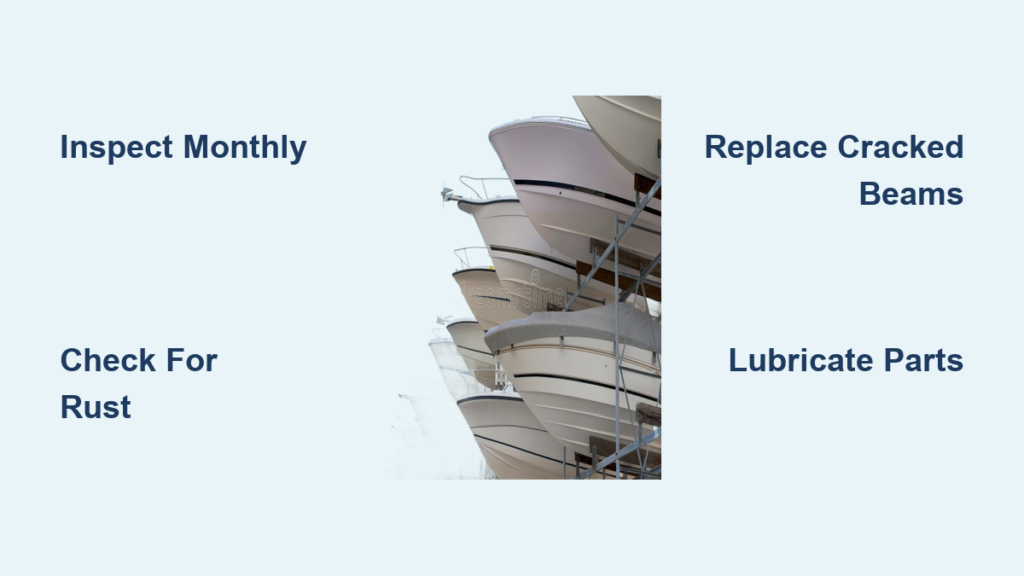
Boat rack maintenance isn’t just routine upkeep. It is a critical safeguard for marina operations, vessel safety, and long-term profitability. In saltwater environments, racks endure relentless stress from corrosion, UV exposure, heavy loads, and mechanical wear. Without consistent care, small issues like rust spots or loose bolts can escalate into structural failures, leading to costly downtime during peak boating seasons.
This guide delivers actionable strategies backed by marine engineering standards and real-world operational insights. You will learn how to spot early warning signs, conduct effective inspections, replace key components, and partner with specialists to keep your racks running safely and efficiently.
Spot Early Warning Signs Before They Escalate
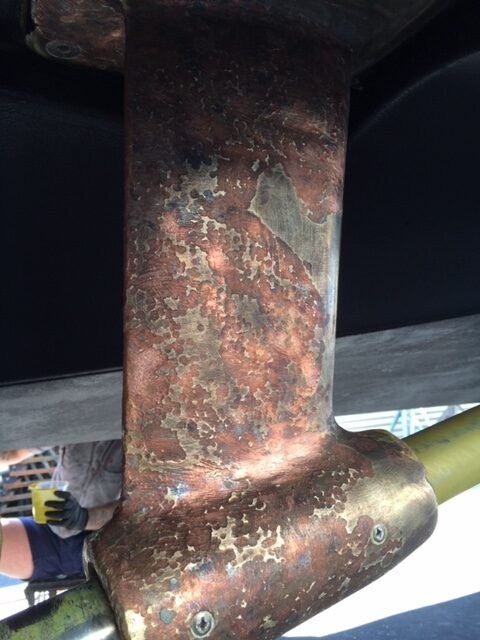
Catching problems early prevents catastrophic failures and keeps your marina operational. Regular visual and functional checks are your first line of defense against costly repairs and safety incidents.
Visible Corrosion and Rust
Surface rust, pitting, or flaking paint on beams and columns signals coating breakdown and active metal oxidation. Pay special attention to beam welds, base plates, and splash zones where moisture accumulates. Left untreated, corrosion can reduce steel thickness by over 10%, compromising load capacity.
Pro Tip: Use a wire brush to clean suspect areas. What looks like surface rust may be deep pitting hiding beneath.
Cracked or Failed Welds
Discoloration, hairline cracks, or separation at welded joints indicate fatigue. These often occur at beam-to-column connections due to repeated loading cycles. If you see cracks radiating from weld toes, stop using the rack section immediately.
Visual Cue: Blackened or grainy welds suggest poor original fabrication or heat damage from prior repairs.
Loose Fasteners and Bolts
Wobbly bolts or nuts mean load transfer is compromised. Check all anchor bolts, bracing connections, and hinge points. Even one missing bolt can increase stress on neighboring components.
Quick Fix: Torque all fasteners annually to manufacturer specs. Do not rely on hand-tight checks.
Beam Deflection and Frame Distortion
Sagging or bent beams are red flags. Measure deflection. If it exceeds 1/360 of the beam span (e.g., more than 0.4 inches on a 12-foot beam), the rack is overloaded or fatigued.
Field Test: Hang a plumb line from the beam center. Measure the gap between the line and beam ends.
Unusual Noises During Operation
Grinding, squeaking, or clunking when lifting vessels suggests hoist or track issues. These sounds often point to worn bearings, misaligned trolleys, or cable friction.
Action Step: Record noise location and frequency. This helps technicians diagnose faster.
Follow a Structured Inspection Schedule
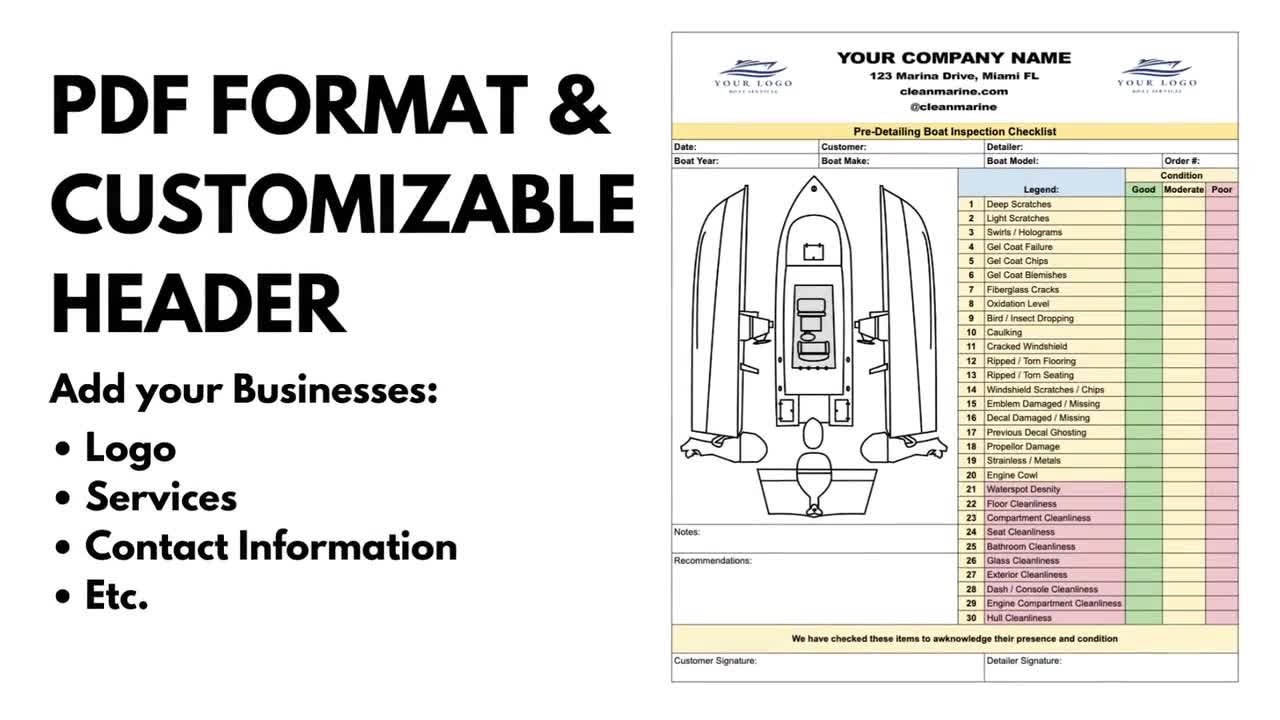
A structured inspection schedule catches issues before they cause failure. Consistent documentation also satisfies insurers and regulators who increasingly demand proof of maintenance.
Set Inspection Frequency
• Monthly: Visual walk-through for obvious damage or misalignment
• Quarterly: Full visual inspection with checklist
• Biannually: Load verification and hoist diagnostics
• Annually: Professional structural evaluation with measurements
High-use or coastal marinas should double inspection frequency due to accelerated corrosion.
Focus on Critical Components
| Component | What to Check |
|---|---|
| Beams and Arms | Deflection, corrosion, cracks, paint condition |
| Welds | Cracks, porosity, separation, discoloration |
| Fasteners | Tightness, missing parts, rust, thread wear |
| Columns | Alignment, base plate integrity, anchor bolts |
| Hoist Tracks | Wear, debris, alignment, lubrication |
| Cables and Sheaves | Broken strands, kinks, groove wear, rotation |
| Hydraulics | Leaks, rod pitting, hose cracks, pressure drops |
Pro Tip: Use a digital caliper to measure beam thickness. Compare to original specs to detect material loss.
Document Every Inspection
Record the date and inspector name, photos of defects, measured values like deflection and corrosion depth, recommended actions, and follow-up dates. Digital logs simplify audits and support liability defense.
Replace Damaged Beams Before They Fail
Beams carry the load. Replace them before they fail and put vessels and personnel at risk.
Know When to Replace
Replace beams if corrosion reduces thickness by more than 10%, deflection exceeds 1/360 of span, cracks appear in flange or web, welds keep failing at connection points, or the beam was visibly overloaded.
Warning: Patching or reinforcing a cracked beam is not safe. Replace it entirely.
Follow Safe Replacement Steps
- Assess structure. Consult a marine engineer to confirm load specs.
- Shore up load. Use temporary supports to hold adjacent bays.
- Remove old beam. Cut or unbolt carefully. Avoid damaging nearby welds.
- Install new beam. Match ASTM A36 or marine-grade steel specs.
- Weld properly. Use AWS D1.1-certified welders. Inspect final joints.
- Verify alignment. Ensure levelness and squareness before loading.
Time Estimate: 4 to 8 hours per beam, depending on access.
Choose the Right Replacement
Opt for galvanized steel for coastal areas, stainless fasteners (Grade 316) to prevent future corrosion, and custom-fabricated beams that match your system design.
Prevent Corrosion Proactively
Saltwater is your racks biggest enemy. Fight it with smart protection and quality materials.
Apply Marine-Grade Coatings
Primer: Use zinc-rich or epoxy primer on bare metal. Topcoat: Apply UV- and salt-resistant polyurethane. Recoat every 3 to 5 years, especially in high-exposure zones.
Pro Tip: Sandblast surfaces before repainting. This removes hidden corrosion and improves adhesion.
Install Sacrificial Anodes
In splash or submerged zones, attach zinc anodes to draw corrosion away from steel. Replace when 50% consumed.
Best Practice: Mount anodes near base plates and column welds.
Upgrade Materials
Replace carbon steel parts with hot-dip galvanized steel, stainless steel 316 for brackets and fasteners, and powder-coated components for aesthetic and protective benefits. These upgrades cost more upfront but cut long-term maintenance by up to 60%.
Maintain Hoist Systems for Reliable Operation
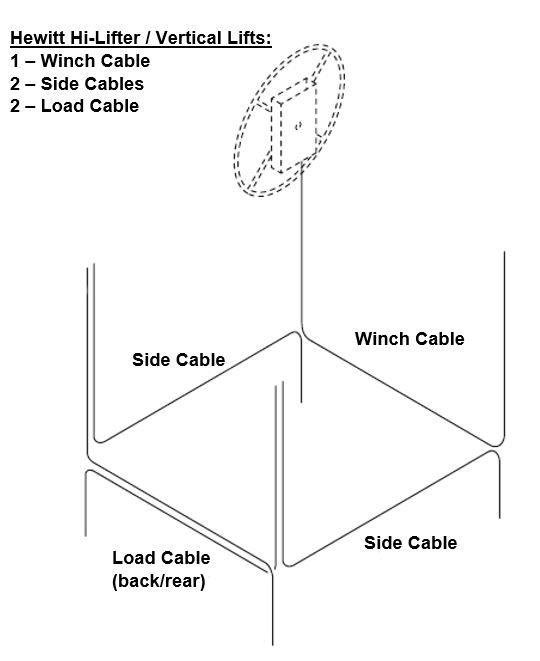
A failed hoist halts your entire operation. Keep it running smoothly with consistent care.
Common Hoist Problems
Cable fraying: Replace if diameter shrinks by 5% or more. Hydraulic leaks: Check hoses, fittings, and cylinder rods monthly. Worn sheaves: Look for grooves or uneven wear. Replace before cable damage occurs. Binding tracks: Clean debris, realign guides, lubricate quarterly.
Warning: Never use a hoist with kinked or bird-caged cables. Immediate replacement required.
Preventive Maintenance Schedule
Weekly: Inspect cables for broken strands. Monthly: Check fluid levels and hose condition. Quarterly: Test emergency stops and brakes. Biannually: Align tracks, adjust tension, lubricate moving parts.
Pro Tip: Label cables with installation dates. Most last 5 to 7 years under regular use.
Repair vs. Replace Hoist Frames
Repairing a hoist frame is often 70% cheaper than full replacement. Options include replacing corroded sections, upgrading to marine-duty hydraulic cylinders, rebuilding gearboxes, and re-coating with anti-corrosion finishes.
Make Smart Structural Upgrades
Use maintenance windows to improve performance and adapt to changing needs.
Install Adjustable Beams
Add telescoping or pin-adjustable beams to store different boat sizes without retrofitting. Ideal for marinas with mixed fleets.
Benefit: Reduces need for custom racks. Saves space and cost.
Add Modular Extensions
Expand storage by adding bolt-together bays. These integrate with existing systems and avoid full rebuilds.
Time-Saver: Install extensions during off-season with minimal downtime.
Reinforce for Heavier Loads
Upgrade older racks to handle modern, heavier vessels. Add diagonal bracing, thicken column walls, and reinforce base plates.
Engineering Rule: All modifications must preserve the original load path and be approved by a structural specialist.
Partner with Marine Fabricators
Not all welders can fix boat racks. Choose specialists who understand marine environments.
Why General Shops Fall Short
General shops lack knowledge of marine corrosion dynamics, use incorrect materials or coatings, do not follow AWS D1.1 welding standards, and underestimate dynamic load requirements.
Risk: A poorly repaired rack may fail under normal use.
Choose a Marine-Focused Fabricator
Look for experience with marina infrastructure, use of ASTM A36 or marine-grade steel, AWS-certified welding, and a track record with custom rack components.
Maximize ROI with Proactive Maintenance
Proactive care beats costly replacement every time. A well-maintained rack system is your most valuable asset.
Compare Maintenance vs. Replacement
| Factor | Maintenance | Full Replacement |
|---|---|---|
| Cost | $5K to $20K per year | $100K to $500K+ |
| Downtime | Hours to days | Weeks |
| Lifespan Gained | +5 to 15 years | Reset to 20 to 30 |
| ROI | High | Moderate to low |
Bottom Line: A $10K annual maintenance plan can delay a $300K rebuild by a decade. That saves $200K or more after inflation.
Prevent Peak-Season Downtime
Most failures happen in spring and summer when demand is highest. Scheduled off-season maintenance avoids revenue-killing outages.
Stat: Marinas with documented maintenance programs report 40% fewer emergency shutdowns.
Follow Best Practices Year-Round
Stay ahead with these actionable tips that take minutes but prevent major problems.
Lubricate Moving Parts
Grease bearings, hinges, and pulleys every 3 months. Use marine-grade lithium grease. Clean tracks before applying lubricant.
Warning: Grease attracts dirt. Wipe excess to prevent grit buildup.
Manage Debris and Drainage
Clear leaves, nests, and salt crust from beam tops monthly. Ensure drainage slopes prevent water pooling. Install debris shields in high-wind areas.
Pro Tip: Use compressed air to blow out support cavities. Trapped moisture causes hidden corrosion.
Verify Load Distribution
Center boats on load arms. Avoid hull overhangs that create leverage stress. Reconfigure spacing when storing larger vessels.
Safety Check: Mark load centers with paint. Crew should align boats every time.
Frequently Asked Questions About Boat Rack Maintenance
How Often Should I Inspect My Boat Racks?
Conduct monthly visual walk-throughs for obvious damage. Perform quarterly full inspections with checklists. Schedule biannual load verification and annual professional structural evaluations. Coastal or high-use marinas should double these frequencies.
What Are the First Signs of Structural Problems?
Watch for visible rust and pitting on beams and columns, cracked or discolored welds, loose bolts and fasteners, sagging or bent beams, and unusual noises during hoist operation. Any of these warrant immediate inspection.
Can I Repair a Cracked Beam Instead of Replacing It?
No. Patching or reinforcing a cracked beam is not safe. Replace it entirely. Cracks indicate material fatigue that cannot be reliably repaired. Attempting to weld cracks often creates stress concentrations that fail under load.
How Much Does Boat Rack Maintenance Cost Annually?
Annual maintenance typically costs between $5,000 and $20,000 depending on rack size, location, and condition. This includes inspections, coatings, lubrication, minor repairs, and component replacement. This investment can delay a $300,000 full replacement by over a decade.
What Materials Offer the Best Corrosion Resistance?
Hot-dip galvanized steel provides excellent protection for coastal environments. Stainless steel 316 resists corrosion best for brackets and fasteners. Powder-coated components offer both protection and aesthetics. Zinc anodes protect submerged and splash zones.
Should I Hire a General Welder for Repairs?
No. Choose a marine-focused fabricator with AWS-certified welding experience, knowledge of marine corrosion dynamics, and a track record with marina infrastructure. General shops often use incorrect materials and methods that create safety hazards.
Key Takeaways for Protecting Your Marina Investment
Boat rack maintenance is a strategic investment, not an expense. By catching issues early through regular inspections, you prevent catastrophic failures that disrupt operations and liability exposure. Replace damaged beams and components promptly rather than attempting repairs that compromise structural integrity.
Partner with marine fabricators who understand saltwater environments and follow AWS welding standards. Their expertise ensures repairs last and meet code requirements. Document every inspection and maintenance activity. These records satisfy insurers, support liability defense, and help you track trends over time.
Start today. Schedule your next inspection, document your findings, and plan your next upgrade. A well-maintained rack system is not just reliable. It is your marina is most valuable asset.