You’ve picked out the perfect shelf, sleek and stylish, but one question remains: how high should a shelf be? Install it too low, and you risk head bumps or a cluttered look. Too high, and it becomes useless, out of reach and invisible. The answer isn’t one-size-fits-all. The ideal shelf height depends on room type, furniture alignment, user height, and intended use. Whether you’re organizing books above your sofa, installing floating shelves in the kitchen, or adding storage over the toilet, getting the height right ensures both functionality and visual harmony.
In this guide, you’ll learn the optimal shelf heights for every room, spacing guidelines, installation tips, and how to personalize placement for comfort and style.
General Shelf Height Guidelines for Walls
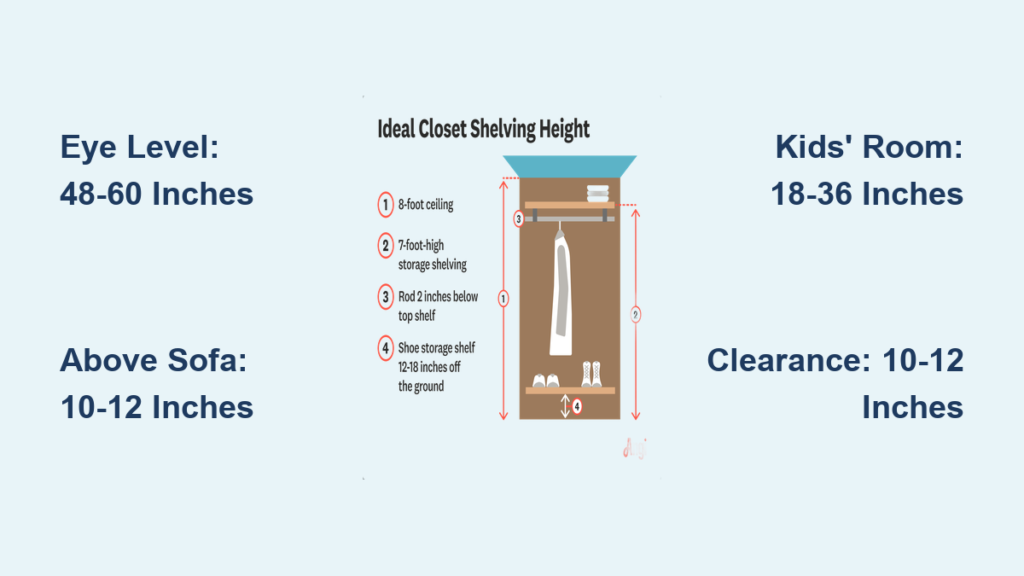
The universal starting point for wall shelves is 48 to 60 inches from the floor, which aligns with the average adult’s eye level. This range ensures items are visible and accessible without straining. When shelves are centered at eye level, they create a natural focal point and improve room flow.
Eye Level Is Your Starting Point
Use 57 to 60 inches as a starting point for freestanding wall shelves in living areas and hallways. This places the shelf center at a comfortable viewing height. For frequently used items, aim for the golden zone between 30 and 60 inches from the floor. This is the most ergonomic reach zone for standing adults, minimizing bending or stretching.
Clearance Above Furniture Matters
Always leave 10 to 12 inches between the top of furniture like a sofa or desk and the bottom of the shelf. This gap maintains visual balance and prevents the shelf from appearing cramped or dangerous. Too close feels oppressive. Too far creates a disconnected look. This rule applies universally, from above a bed to over a toilet.
Living Room Shelf Heights

The best height for a shelf above a sofa is 10 to 12 inches above the backrest. This keeps the shelf visually tied to the furniture and within easy reach. Some designers suggest 15.74 to 19.68 inches, especially for taller furniture or higher ceilings.
Design Tips for Above the Couch
Center the shelf over the sofa. Keep the width to about two-thirds of the sofa’s length. Avoid extending beyond the armrests unless flanking with symmetry. This height works well for displaying books, photo frames, small plants, or decorative objects.
Free Wall Shelving in Living Areas
For entertainment walls or open shelving units, install the first shelf at least 23.62 inches above the floor. Space subsequent shelves 15.75 inches apart. This mimics built-in cabinetry and allows space for a TV stand or console underneath. Use consistent spacing to create rhythm, ideal for minimalist or modern spaces.
Bedroom Shelf Placement

Mount shelves 10 to 12 inches above the headboard for balanced proportions and safety. Two popular configurations exist. First, install 15.74 inches above the mattress if replacing a headboard. Second, mount 23.62 inches above the headboard for decorative display. Avoid placing heavy or fragile items, especially if children use the bed.
Floating Nightstand Heights
Install floating nightstands 24 to 30 inches from the floor, adjusting based on your bed height. The lower end at 24 inches provides easier reach from lying down. The higher end at 30 inches offers better clearance for taller beds. Use sturdy anchors and avoid overloading this shelf since it replaces a traditional nightstand.
Kids’ Room Shelf Heights
For children’s rooms, keep shelves 18 to 36 inches high so kids can access toys, books, or clothes independently. Anchor all shelves to the wall. Use rounded edges. Avoid glass or heavy items within reach.
Kitchen Shelf Heights

Standard open shelving goes 18 inches above the countertop, matching standard upper cabinet height. The floor-to-shelf height is approximately 54 inches, a resale-friendly standard. Adjust lower for shorter users or raise for decorative-only shelves.
Multi-Tier Kitchen Shelving
Stack shelves with 18-inch increments. First shelf sits 18 inches above the counter. Second shelf sits 36 inches above the counter. Third shelf sits 54 inches above the counter. Use 12 to 15 inches between shelves for smaller items like jars or mugs. Leave extra space, 15 inches or more, for blenders, mixers, or tall bottles.
Pantry Shelf Spacing
Optimal vertical spacing for pantry shelves is 12 to 15 inches between shelves. Use in-wall cleats, 1-inch thick wood or metal rails, for adjustable, removable shelving. This allows reconfiguration as storage needs change. Choose sealed wood, moisture-resistant composites, or metal for heavy loads.
Bathroom Shelving Heights
Mount shelves 10 to 12 inches above the toilet tank lid for over-toilet storage. An alternate measurement of 24 inches above the tank works for taller users or larger baskets. Ensure no interference with flushing or tank lid access. This height works well for toilet paper, towels, baskets, and small plants.
General Bathroom Wall Shelves
Install general bathroom wall shelves at 55 to 60 inches from the floor, aligning with eye level for most adults. Use moisture-resistant materials like sealed wood, PVC, or stainless steel. Ensure airflow to prevent mold, especially in humid bathrooms.
Laundry Room and Hallway Placement
For laundry rooms, general shelving height is 48 to 60 inches from the floor. For infrequent items like detergents or ironing supplies, go as high as 72 inches. Use durable, moisture-resistant materials like sealed plywood, metal, or PVC. Keep frequently used items lower for ease.
Hallway Shelf Heights
The ideal range for hallway shelves is 60 to 72 inches, or 5 to 6 feet, from the floor. This matches average eye level and keeps decor visible without obstructing walkways. Avoid placing shelves near door swings or where protruding shelves could cause head injury.
Bookcase and Library Shelving
For standing access, keep the top shelf no higher than 72 to 78 inches, within comfortable reach. For seated use in home offices or studies, cap the top shelf at 60 inches. Lift the bottom shelf 3 to 4 inches off the floor to prevent dust buildup and allow floor cleaning.
Shelf Spacing for Books
Standard spacing between bookcase shelves is 8 to 12 inches. Adjust based on content. Use 12 to 15 inches for large books or decor. Use 8 to 10 inches for thin books or small items. Leave 15 inches for cookbooks with stands or bulky albums.
Vertical Spacing Between Multiple Shelves
For a balanced look, space shelves 12 to 15 inches apart. Consistent spacing creates rhythm and order. Special cases require different spacing. Entertainment units need 16 inches or more for AV equipment. Kitchen storage needs 15 inches for jars and containers. Tall vases or lamps need 18 inches or more of clearance. Decorative miniatures may need only 8 to 10 inches.
Shelf Depth Affects Mounting Height
Shallow shelves measuring 5 to 6 inches can be mounted lower and work well in narrow spaces or for lightweight decor. Medium shelves measuring 8 to 10 inches work best at standard heights of 48 to 60 inches. Ensure clearance above furniture. Deep shelves over 10 inches should install well above head level and avoid overhang in walkways.
In bedrooms, deeper shelves should be at least 12 inches above the headboard to prevent head contact.
How to Hang a Shelf Correctly
Always anchor into wood or metal studs for heavy loads. One stud supports approximately 50 pounds. Two studs support up to 100 pounds. Use a stud finder before drilling.
Step-by-Step Installation
First, mark the desired height with a pencil and level. Second, locate studs or plan anchor points. Third, drill pilot holes. Fourth, insert anchors if needed. Fifth, screw in brackets or cleats. Sixth, attach the shelf securely. Use painter’s tape to mock up shelf placement before drilling.
If no stud is available, use toggle bolts or snap toggles rated for the shelf’s weight. Never rely on drywall alone for shelves holding books, appliances, or decor.
Shelf Types and Mounting Systems
Floating shelves appear to float with hidden supports. They require stud alignment and precise installation. They work best for light to medium loads and fit modern, minimalist spaces.
Bracket-mounted shelves are the most common and versatile. They use L-brackets, decorative arms, or minimal bars. They offer higher weight capacity and are easy to install and adjust.
Wall-supported cleat systems use a horizontal rail mounted on the wall where the shelf slides or rests. This allows adjustable, removable shelves, great for pantries and garages.
Ceiling-mounted shelves are suspended by chains, ropes, or rods. They require ceiling joist anchoring and work best for industrial or retail-style decor.
Frequently Asked Questions About Shelf Height
What is the standard height for wall shelves?
The standard height for most wall shelves is 48 to 60 inches from the floor. This range aligns with average adult eye level and ensures items are visible and accessible.
How high should a shelf be above a couch?
Mount shelves 10 to 12 inches above the backrest of a sofa. This creates visual continuity and keeps items within easy reach while preventing the space from feeling cramped.
What is the best shelf height for a child’s room?
Install children’s room shelves 18 to 36 inches from the floor. This allows kids to access their items independently while keeping heavy or breakable objects out of reach.
How much space should be between shelves?
Space shelves 12 to 15 inches apart for general use. Adjust to 8 to 10 inches for small items or 15 to 18 inches for tall objects like vases or kitchen appliances.
Does shelf depth affect how high it should be mounted?
Yes, deeper shelves require greater vertical clearance. Shallow shelves can mount lower, while deep shelves over 10 inches should install well above head level to avoid obstruction.
Key Takeaways for Perfect Shelf Placement
No single height fits all shelves. Room type, furniture alignment, and user needs dictate placement. The eye-level range of 48 to 60 inches serves as the starting point for most wall shelves. Maintain 10 to 12 inches of clearance above furniture for visual balance and safety.
Always test placement with painter’s tape or cardboard before drilling. Anchor every shelf securely to wall studs or rated anchors, especially in homes with children or pets. Personal comfort and lifestyle should override strict rules. Adjust heights for your specific height and household needs.
By following these evidence-based guidelines, you’ll create shelves that are functional, safe, and beautifully placed for everyday enjoyment.