You have a corner sitting empty. It might collect dust right now, or maybe you have shoved a random box there to hide it from view. That awkward corner is actually one of the most underrated spaces in your home for design potential. A corner shelf turns dead space into a curated display that is both functional and stylish. Whether you want to showcase travel souvenirs, create a cozy reading nook, or organize kitchen essentials, how to decorate a corner shelf is about balance, personality, and smart design choices.
This guide walks you through every step: selecting the right shelf, styling with visual impact, using it room by room, adding lighting, and keeping your display fresh. No fluff, no filler. Just actionable tips that turn forgotten corners into conversation starters.
Choose the Right Shelf Style for Your Space

Your shelf sets the entire tone for the display. Pick one that matches your room, storage needs, and aesthetic vision.
Floating vs Bracketed Shelves
Floating shelves offer a clean, modern look with no visible supports. They save floor area and create an airy feel, perfect for living rooms or bedrooms with minimalist vibes. These work best for lighter items since mounting into drywall alone will not support heavy loads.
Bracketed shelves are sturdier and can hold books, kitchenware, or heavier decor. Choose decorative brackets in black iron or brass to add character. These work well in kitchens or bathrooms where strength matters more than minimalism.
Tiered and Ladder Designs
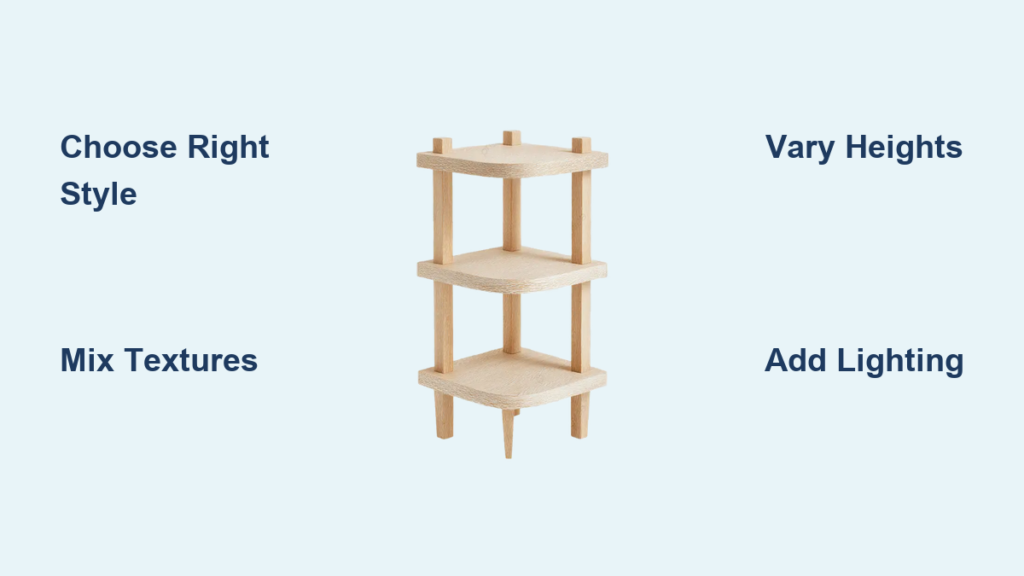
Tiered shelves create vertical impact with multiple levels. Each tier becomes a stage for different items. Plants on top, books below, candles in between. This design is perfect for small spaces needing both storage and style.
Ladder-style shelves taper upward, drawing the eye toward the ceiling and making rooms feel taller. The open back allows light to pass through, ideal for tight corners where you want to avoid visual heaviness.
Geometric and Custom Options
For odd angles or standout design, custom-built shelves fit perfectly and maximize every inch. Triangular, curved, or petal-shaped shelves soften sharp room edges and add artistic flair. These work especially well in entryways or beside sofas.
Match Materials to Your Room Needs
The shelf material affects durability, style, and maintenance. Choose wisely based on where the shelf will live.
Best Wood Types for Durability
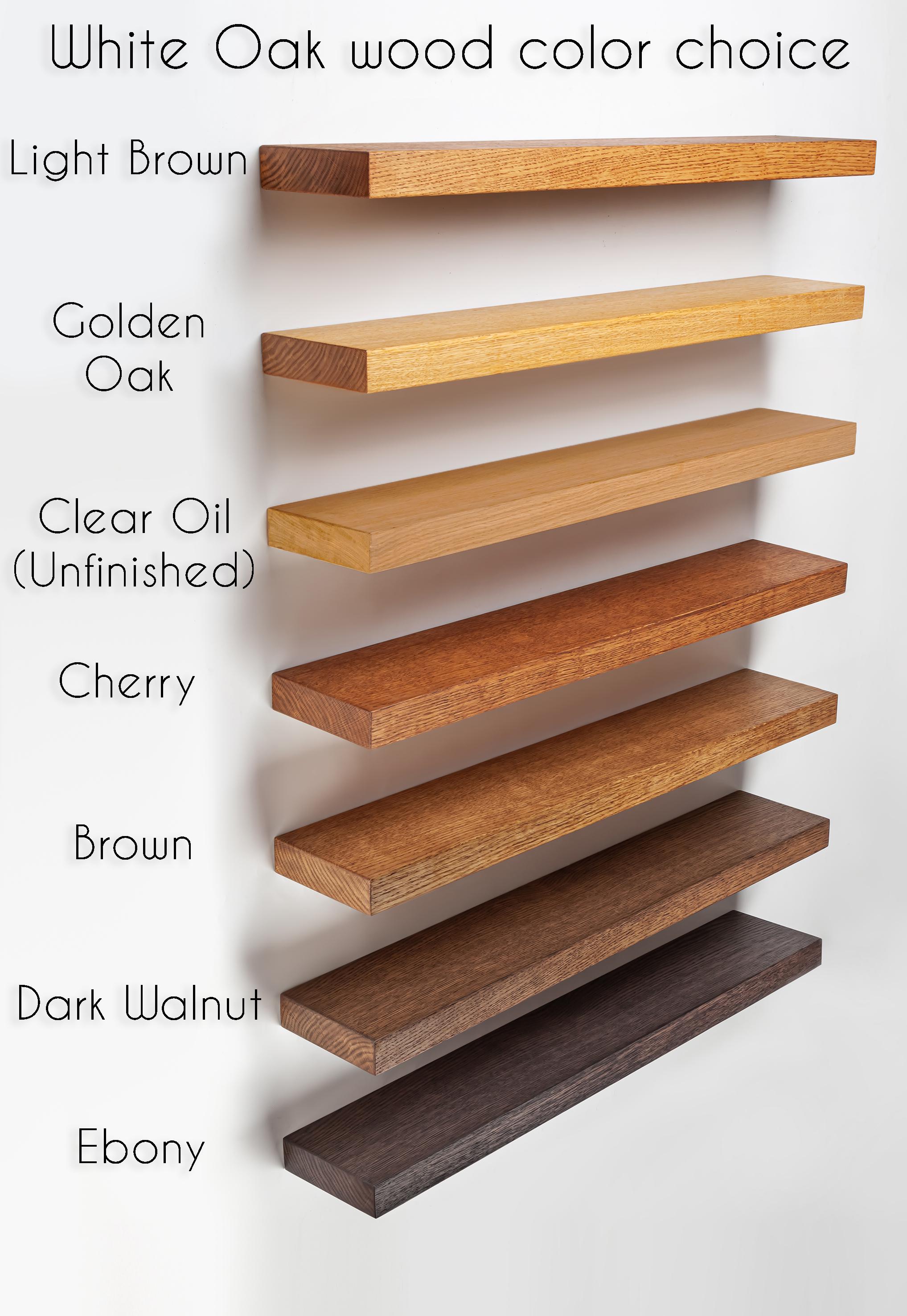
Solid wood types like oak, maple, walnut, and birch last longer and resist warping better than engineered options. Oak brings warmth to traditional spaces. Walnut adds luxury and rich tone. Maple offers a clean, light appearance perfect for modern rooms.
Avoid particle board entirely. It swells when exposed to humidity and breaks under weight. The savings are not worth the replacement costs in kitchens or bathrooms.
Finishes That Complement Your Style
A natural finish highlights wood grain and works beautifully with rustic, Scandinavian, or Japandi styles. Use clear sealant to protect against spills and moisture.
Stained wood deepens the color. Espresso creates drama. Light oak adds brightness. Both work well in traditional or mid-century inspired rooms.
Painted shelves in matte white, black, or pastels either pop against bold walls or blend into neutral spaces. Try a two-tone approach: painted front with natural wood sides for subtle contrast.
Size and Install for Safety and Function
Even the most beautiful shelf fails if it does not fit properly or cannot hold weight.
Measure Before You Buy
Check corner depth carefully. Many corners are less than 12 inches deep. Shallow corners need narrow shelves between 6 and 8 inches. Deep corners can handle 12-inch units or stacked designs.
Height matters too. Keep shelves between eye level and shoulder height for easy access and visual appeal. Anything higher becomes hard to reach. Anything lower feels like floor clutter.
Mounting for Security
Always anchor into wall studs for heavy shelves. Use toggle bolts if studs are not aligned where you need them. Never rely on drywall anchors alone for loaded shelves.
Use a level during installation. A tilted shelf ruins the visual appeal and creates a tipping hazard. Check manufacturer weight capacity specifications before loading. Overloading causes sagging or collapse.
Create a Focal Point That Commands Attention
Transform your shelf from mere storage to a statement piece.
Position for Maximum Impact
Place the shelf where people naturally pause. Beside a reading chair. Near an entryway. Under a window with natural light. A well-placed shelf becomes a natural eye-catcher in the room.
Use Lighting and Contrast
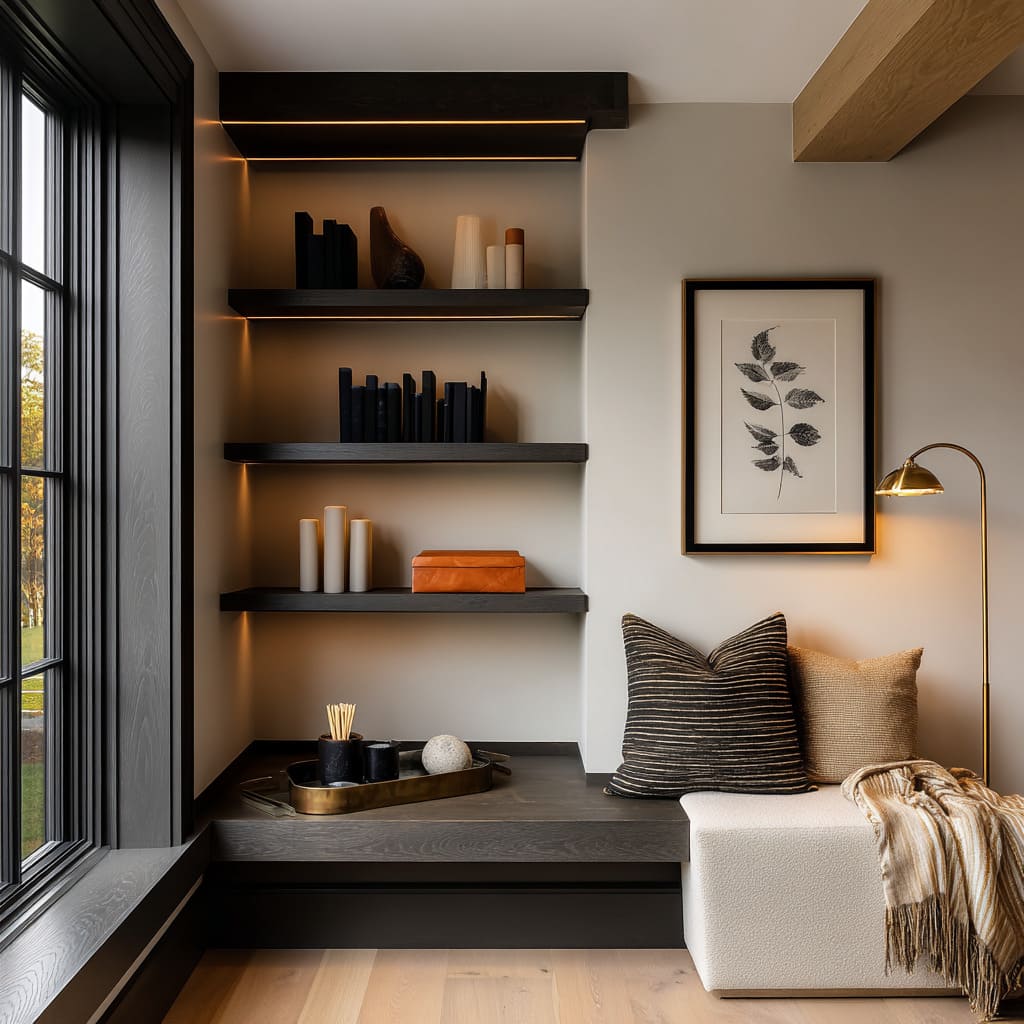
Add LED strips underneath for a floating glow effect. Warm white bulbs between 2700K and 3000K enhance wood tones and create ambiance without being harsh.
Contrast helps the shelf stand out. A dark shelf on a light wall. Bright decor on dark wood. The visual separation draws attention to your curated items.
Highlight Meaningful Items
Center stage belongs to what matters most. A vintage camera. A family photo. Handmade pottery from a recent trip. These items tell your story and make the display personal.
Coordinate Colors Like a Design Professional
Color ties the shelf visually to the rest of the room.
Stick to the Room Palette
Pull hues from nearby walls, rugs, or artwork. A blue vase echoes a sofa cushion. Green plants match wall paint. The connection makes the display feel intentional rather than random.
Use neutrals as your base. White, gray, and beige calm the display and let accent colors shine without overwhelming the eye.
Add Strategic Color Pops
Introduce terracotta, navy, mustard, or sage through small items. A ceramic bowl. Book spines. A scented candle. These small touches add personality without clutter.
Try color gradients for flow. Arrange items from light to dark or warm to cool tones. Creates a sense of movement without visual chaos.
Group Items by Color Theme
All-white ceramics create a cohesive look. Monochrome book covers feel curated and sleek. Themed groupings look intentional and work especially well in minimalist or modern spaces.
Mix Textures and Shapes for Visual Depth
Variety keeps the eye moving across your display.
Combine Smooth and Rough Elements
Pair glass vases with woven baskets. Metal lanterns with wooden frames. Smooth ceramic beside rough sisal. Texture contrast adds depth and interest to flat surfaces.
Use natural materials whenever possible. Seagrass trays, linen cloths, stone coasters, and wooden photo tiles warm up hard shelf surfaces.
Balance Angles with Curves
Stack rectangular books next to a round plant pot. Hang a square frame above a curved sculpture. Too many sharp edges feel rigid and cold.
Add curves through candles, domed terrariums, or spherical decorations to soften the overall feel and create visual balance.
Layer Items for Dimension
Place a photo block behind a small plant. Set a sculpture on a stack of books. Layering creates three-dimensional interest.
Use risers or small cake stands to lift tiny items. Makes them visible and adds vertical variety to the display.
Vary Heights and Proportions
Height variation prevents flat, boring displays.
Apply the Tall Medium Short Rule
Place a tall vase in back, a medium plant in the middle, and a short candle in front. Creates rhythm and visual interest.
Tall items should not block views of smaller pieces. Keep them centered or toward the rear of the shelf.
Elevate Small Objects
Put tiny decor on stacked books or wooden risers. Brings them to eye level where they get noticed.
Avoid having all items at the same height. It looks like a lineup, not a curated display.
Leave Space to Breathe
Clutter kills style every time.
Apply the 50 Percent Rule
Leave at least half the shelf empty. Empty space lets individual items stand out and prevents the display from feeling overwhelming.
Overfilling hides individual pieces and strains the eye. More is not always better.
Use the Rule of Three
Group items in threes. Three candles. Three books. Three framed photos. Odd numbers feel natural and balanced to the human eye.
Distribute visual weight carefully. A heavy item on one side should be balanced by two or three lighter items on the other.
Kitchen Corner Shelves: Style and Storage Combined
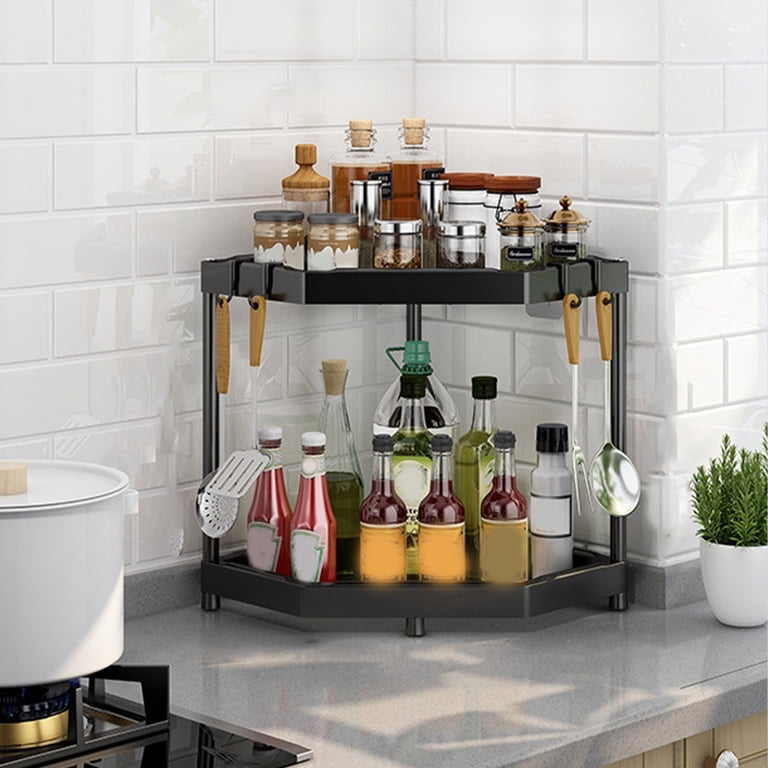
Turn a kitchen corner into a functional showcase.
Pantry Organization with Style
Store flour, sugar, and pasta in clear, labeled jars. Uniform containers look tidy and make refills easy. Use square or rectangular jars to fit tight corners efficiently.
Coffee or Tea Nook Setup
Create a mini beverage station. Coffee beans in a glass canister. Mugs hung from under-shelf hooks. Filters, scoops, and a small grinder. Add a wooden tray to corral loose items and keep everything contained.
Decorative Yet Practical Touches
Include small potted herbs like basil or mint. They are practical for cooking and pretty to look at. Ceramic canisters add color and hide everyday items.
Avoid clutter. Kitchen shelves need breathing room for daily use. Keep frequently accessed items within easy reach.
Living Room: Display Your Personality
Your shelf should reflect who you are.
Plant Wall Display
Use tiered shelves for a vertical garden effect. Pothos or snake plants in back. Succulents on lower levels. Ferns in hanging planters beneath the shelf. Water weekly for low maintenance and high impact.
Personal Gallery Setup
Showcase framed photos, wooden photo tiles, or travel souvenirs. Rotate every few months to keep the display fresh and interesting. Mix sizes for visual variety. One large frame with two small ones following the rule of three.
Reading Nook Companion
Pair the shelf with a comfortable chair and a lamp. Store a current book, reading glasses, a cozy throw blanket, and a journal with pen. Creates a retreat zone for relaxation.
Minimalist Approach
For clean style, use one sculpture, one plant, and one hardcover book spaced apart. Less is more when you choose quality over quantity.
Bathroom: Create Spa Vibes
Design a calming, organized space.
Spa-Inspired Decor
Style with scented candles in lavender or eucalyptus. Add an essential oil diffuser. Display bath salts in glass jars. Include air plants or a peace lily. Feels like a luxury hotel without leaving home.
Toiletry Organization
Use baskets or containers to sort skincare products, hair tools, and grooming items. Label everything for quick access during busy mornings.
Material Considerations
Use sealed wood or water-resistant finishes. Avoid raw particle board. Wipe spills quickly. Humidity warps unprotected wood over time.
Bedroom: Personal Retreat Space
Your corner should feel peaceful and personal.
Nightstand Alternative
Replace bulky nightstands with a floating corner shelf. Store a lamp or candle, phone charger, watch or jewelry, and a current book. Saves valuable space in small bedrooms.
Memory Gallery Display
Curate meaningful items. A childhood photo. A love letter in a frame. A souvenir from a memorable trip. These tell your story quietly and beautifully.
Candle Sanctuary
Arrange pillar candles, tea lights, or a lantern on a wooden tray to catch wax. Light them at night for a romantic glow that promotes relaxation.
Add a Mirror
Place a small leaning mirror on the shelf. Reflects light and adds visual depth to the space.
Lighting That Transforms Your Shelf
The right lighting turns a shelf from visible to stunning.
LED Under-Shelf Strips
Install warm white LEDs under the front edge. Creates a floating effect that adds drama. Use dimmer-compatible strips to adjust brightness. Safe, energy-efficient, and visually striking.
Wall Sconces and Pendants
Mount a sconce beside or above the shelf. Directs light downward onto your displayed items. Choose rattan, brass, or industrial shades to match your room decor.
Table Lamps on Shelves
Place a small lamp on lower shelves. Adds warmth and function, especially great for reading nooks or bedside displays.
Organize Without Sacrificing Style
Function meets form with smart solutions.
Baskets That Hide and Help
Use wicker, seagrass, or wood baskets to store mail, chargers, craft supplies, or bathroom essentials. Label with chalk tags or engraved markers for quick identification.
Hooks and Trays
Install under-shelf hooks for keys, mugs, or towels. Use small trays to corral jewelry, watches, or sunglasses. Keeps things tidy and easy to find.
Daily Essentials Zone
Create a spot for frequently used items. Entryway: wallet, keys, phone. Bedroom: glasses, book, charger. Bathroom: toothbrush, lotion. Group by routine for efficiency.
DIY Customization for a Personal Touch
Make your shelf uniquely yours.
Paint or Stain
Sand the wood first for smooth application. Stain for rich, natural tone. Paint for bold color. Seal with water-based polyurethane for protection against wear.
Upgrade Hardware
Swap plain brackets for decorative options. Black metal gives industrial vibes. Brass adds vintage elegance. Geometric shapes create modern flair. Add vintage knobs or leather pulls for unique character.
Maintain Your Shelf for Long-Lasting Beauty
Regular care keeps your shelf looking new.
Dust Weekly
Use a dry microfiber cloth. Avoid wet wipes since moisture damages wood. For tight spots, use a soft brush or air blower.
Polish Every Few Months
Apply mild wood polish or natural oils like linseed or lemon. Restores shine and protects the finish. Avoid silicone sprays since they attract dust.
Protect from Sun and Heat
Keep shelves away from direct sunlight to prevent fading. Do not place near radiators or stoves to avoid warping.
Check Hardware Regularly
Tighten screws every six months. A wobbly shelf is unsafe. Ensure brackets remain secure and the shelf stays level.
Frequently Asked Questions About Corner Shelf Decoration
What is the best wood type for corner shelves?
Solid woods like oak, maple, walnut, and birch offer the best durability and natural beauty. Avoid particle board, which swells in humidity and breaks under weight.
How do I prevent overcrowding on my corner shelf?
Use the rule of three when grouping items. Leave 30 to 50 percent of shelf space empty. Vary heights and textures to create visual interest without clutter.
Are floating shelves strong enough for heavy items?
Floating shelves work for lighter items when mounted into wall studs. For heavier loads, use bracketed shelves or install into studs with reinforced mounting.
How do I choose the right size corner shelf?
Measure corner depth first. Shallow corners need 6 to 8 inch shelves. Deep corners can handle 12 inch or wider units. Keep shelf height between eye level and shoulder height for easy access.
What lighting works best for corner shelves?
LED strip lights under the shelf create a floating glow. Warm white bulbs between 2700K and 3000K complement wood tones. Wall sconces or small table lamps add drama and functionality.
How often should I rotate decor on my shelf?
Rotate displayed items every 4 to 6 weeks to keep the space fresh and dynamic. Seasonal changes work well too. Update holiday decor throughout the year.
Key Takeaways for Decorating Your Corner Shelf
A corner shelf is not just storage. It is a design opportunity waiting to be maximized. The key is intention in every choice you make.
Choose quality materials that match your room needs. Solid wood with appropriate finishes lasts longer and looks better than cheap alternatives. Install properly with secure mounting into wall studs.
Style with balance. Vary heights, mix textures, and coordinate colors with your existing decor. Leave breathing room. Clutter destroys visual impact every time.
Light with purpose. The right lighting transforms a shelf from functional storage to a stunning focal point. Use LEDs, sconces, or lamps to highlight your best items.
Maintain with care. Dust weekly, polish periodically, and check hardware regularly. A well-maintained shelf serves you beautifully for years.
Start today. Clear the clutter, pick three meaningful items, and make that corner shine. Your forgotten space can become the most stylish part of your room with just a little intention and creativity.