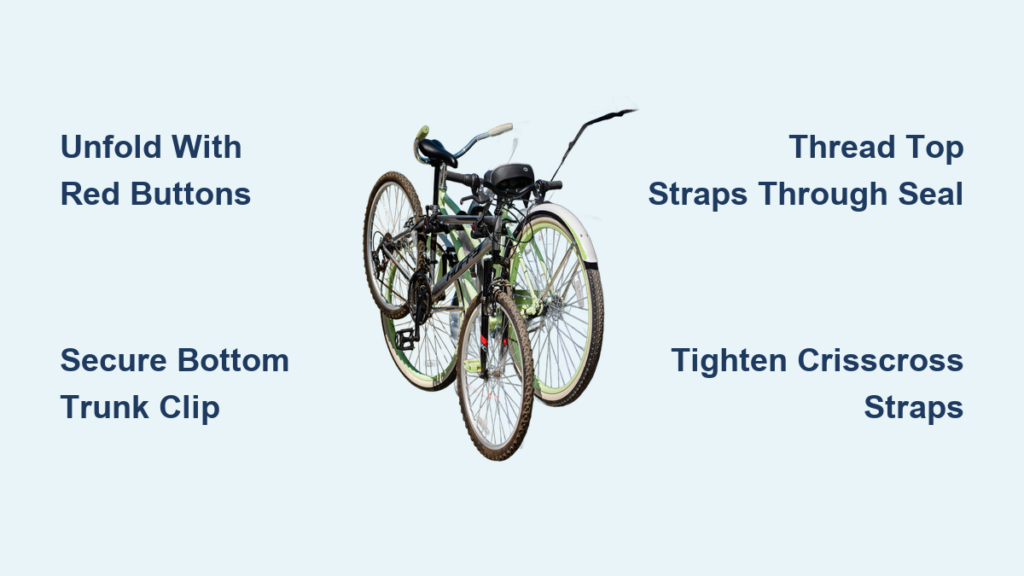
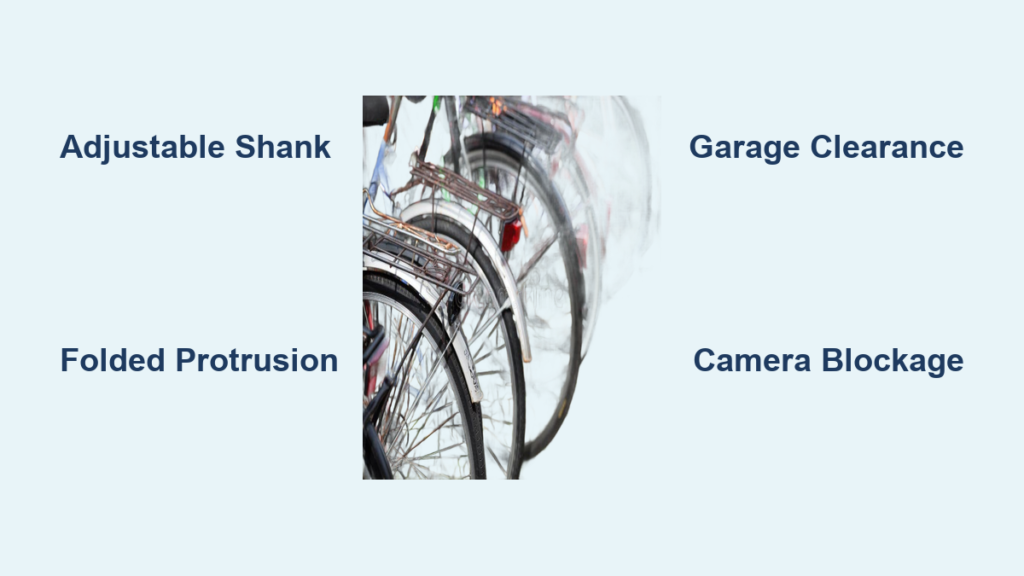
If you have ever backed up with a loaded hitch bike rack and lost sight of your rear camera, or struggled to fit your SUV into the garage with the rack folded, you know how critical bike rack protrusion really is. The distance a bike rack extends from your vehicle, measured from the center of the hitch pin hole, can range from just 6 inches when stowed to over 28 inches when in use, depending on the model, hitch type, and setup. This is not just about clearance; it affects visibility, garage fit, and even safety. Whether you are shopping for a new rack or optimizing your current one, understanding how far can a bike rack stick out helps you avoid collisions, improve storage, and make loading easier. In this guide, I break down exact measurements by top brands, reveal design features that minimize overhang, and share real-world tips from users who have mastered compact stowage.
Key Protrusion Measurements by Model

Kuat Transfer 1: 28 Inches When Loaded
The Kuat Transfer 1 Bike Rack extends 28 inches from the hitch pin hole center when fully deployed and carrying a bike. This measurement applies to both 1-1/4 inch and 2 inch hitches. While the rack installs quickly and locks securely, its extended reach can block backup cameras, a common complaint among users. One driver noted that reversing became a blind spot challenge, forcing reliance on side mirrors.
Locking Mechanism Adds Extra Inches
Using a locking hitch pin or anti-rattle device on Kuat racks may push the unit several inches further from the bumper. The added hardware prevents the rack from seating fully, increasing rear overhang. If garage clearance is tight, consider whether security trade-offs are worth the extra space.
1UP Racks: Adjustable Down to 6 Inches
The 1UP Heavy Duty Double and Super Duty Single models lead the market in compact storage. When folded, they can be set to protrude as little as 6 inches beyond the bumper, sometimes nearly flush. Their standout feature is adjustable shank depth. Unlike fixed racks, 1UP lets you slide the shank in or out of the hitch receiver to customize how far it sticks out.
Fine-Tune Your Stowed Position
Users leverage this adjustability to fit snugly in tight garages. Many add zip-tied plastic shims, double-sided tape, or self-tapping screws as depth stops to ensure repeatable positioning. One owner drilled a small screw into the shank to mark the ideal insertion point, no measuring needed each time.
Warning: Set too close, and the rack may rub the bumper when folding. Always leave a slight gap to prevent paint damage.
Rocky Mounts Monorail: 16.25 Inches Folded
The Rocky Mounts Monorail folds to 16.25 inches from the hitch pin hole, a moderate footprint. It is not as compact as the 1UP but more streamlined than bulkier models like the Thule T2 Pro XT. Users report it fits comfortably in most standard garages but may require careful alignment during parking. Unlike 1UP, the Monorail has a fixed shank depth, so you cannot adjust how far it sticks out.
Thule T2 Pro XT: 20.5 Inches When Folded
The Thule T2 Pro XT has the longest folded protrusion among top models at 20.5 inches from the hitch pin hole. While praised for its smooth tilt mechanism and ease of use, it demands more garage depth. Drivers with shallow driveways or compact parking spots often find it too far back. Thule provides full dimensions under Fit Compatibility on their website, helping buyers verify clearance before purchase.
Pro Tip: Pair Thule is online fit guide with a tape measure to confirm your vehicle is hitch-to-wall distance.
Compare Folded Protrusion at a Glance
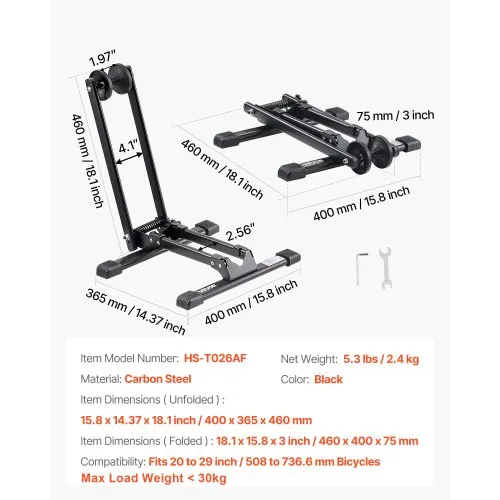
| Model | Folded Protrusion (inches) | Adjustable Depth | Camera Blockage |
|---|---|---|---|
| 1UP Heavy Duty | 6 to 15.2 | Yes | Likely when loaded |
| Rocky Mounts Monorail | 16.25 | No | Moderate |
| Thule T2 Pro XT | 20.5 | No | High |
| Kuat Transfer 1 | Not listed (in use 28) | No | Yes |
This table highlights why 1UP dominates for minimal overhang, while Thule and Kuat prioritize ease of use over compactness.
Design Features That Reduce Protrusion
Adjustable Shank Depth: Maximize Garage Fit
The number one feature for minimizing how far a bike rack sticks out is adjustable shank depth, exclusive to 1UP among major brands. By controlling how far the shank inserts into the hitch, you can fine-tune the rack is rearward extension. This is crucial for fitting into shallow garages, avoiding wall or door contact, and maintaining consistent setup.
DIY Depth Stops That Work
Since 1UP does not include factory stops, users get creative with these methods:
- Zip-tied spacers: Cut tubing or use thick zip ties around the shank
- Double-sided tape: Mark the ideal depth with a tactile bump
- Self-tapping screws: Drill a small screw into the shank, acts as a hard stop
These tricks save time and ensure your rack returns to the same compact position every time.
Folding vs. Tilting Mechanisms
Many racks offer tilt or swing-away functions to access the trunk without unloading bikes. However, tilting does not reduce folded protrusion unless the rack is manually collapsed. A tilted Thule T2 Pro XT still sticks out 20.5 inches. True space savings come only when the rack is fully folded upward.
Visual Cue: When folded, the rack should point toward the sky, not swing sideways.
Check whether your model folds vertically or only tilts, this determines how much rear clearance you actually gain.
Real-World Clearance Challenges

Backup Camera Blocked by Loaded Racks
All rear-mounted hitch racks obstruct backup cameras when bikes are loaded. The Kuat Transfer V2, for example, completely covers the rear view. This forces drivers to rely on side mirrors, use a spotter, or install a front-facing dash cam as a workaround. Even folded racks may block the camera if they sit high or wide. Always test your view before driving.
Garage Fit: Measure Before You Buy
Garage depth varies widely, many modern homes have only 22 to 24 inches from hitch to wall when parked. That means a Thule T2 Pro XT (20.5 inches) may leave just 1.5 to 3.5 inches of wiggle room. A 1UP (6 inches) gives you over a foot of clearance.
How to Measure Your Space
- Park your vehicle fully inside the garage
- Measure from the center of the hitch pin hole to the wall
- Compare with your rack is folded protrusion
- Add 2 to 3 inches for safety margin
Time Estimate: 5 minutes. Prevents costly returns.
How Manufacturers Report Dimensions
Thule: Full Data Online
Thule leads in transparency, publishing exact folded and extended dimensions under Fit Compatibility on each product page. You can filter by hitch size and view CAD-style diagrams showing overhang.
Yakima: Hitch Fit Tips Included
Yakima provides dimensional guidance in Hitch Fit Tips near manual downloads. While not as visual as Thule, it includes key clearance specs.
Kuat: Expert Replies Fill Gaps
Kuat does not always list protrusion on main pages, but etrailer experts provide verified measurements, for example 28 inches for Transfer 1. Always check third-party retailers for detailed specs.
1UP: Direct-Only with Setup Guides
Sold exclusively through their website, 1UP includes installation videos and shank adjustment tutorials to help users optimize depth. No guesswork, just precise control.
User-Tested Tips to Minimize Overhang
Choose 1UP for Tight Spaces
If garage clearance is a priority, 1UP is the clear winner. Users consistently praise its ability to tuck in close. One owner said it is so close to the bumper, I worry it will touch, but with a shim, it is perfect.
Avoid Lock-Induced Extension on Kuat
Kuat racks often sit further out when locked. If security is not critical, skip the locking pin to reduce protrusion. Or, use a low-profile lock that does not interfere with seating.
Use Collars for Consistent Positioning
Whether DIY or commercial, shank collars ensure your rack inserts the same way every time. Ideal for households with multiple drivers.
Prioritize Folded, Not Just Loaded, Measurements
Many shoppers focus on how the rack performs with bikes, but stowed footprint matters daily. A rack that sticks out 20 plus inches when folded becomes a nuisance every time you park.
Key Takeaways for Bike Rack Protrusion
In use, bike racks can extend up to 28 inches from the hitch pin hole center, with the Kuat Transfer 1 representing the maximum among common models. When folded, protrusion ranges dramatically from just 6 inches with an adjusted 1UP rack to over 20 inches with the Thule T2 Pro XT. The ability to adjust shank depth is the single most important feature for minimizing overhang, and it remains exclusive to 1UP in the premium rack market. Every rear-mounted hitch rack will block your backup camera when loaded, so plan accordingly by using side mirrors or a spotter.
If garage space is limited, prioritize racks with minimal folded profiles and consider DIY depth stops to maintain consistent positioning. Measure your garage from hitch to wall before buying, and always add a safety margin. For maximum compactness, 1UP delivers the best performance. For ease of use without minding the extra inches, Thule and Kuat remain solid choices. Every inch counts when you are tight on space, so measure twice and buy once.
Frequently Asked Questions About Bike Rack Protrusion
How far does a typical bike rack stick out when in use?
Most hitch-mounted bike racks extend 20 to 28 inches from the hitch pin hole center when carrying bikes. The Kuat Transfer 1 reaches 28 inches at maximum extension, while lighter-duty racks may sit closer to 20 inches.
Which bike rack has the smallest folded profile?
The 1UP Heavy Duty Double has the smallest folded profile, adjustable down to approximately 6 inches from the bumper. Its adjustable shank depth allows users to customize positioning for tight garages.
Do bike racks always block backup cameras?
Yes, all rear-mounted hitch racks obstruct backup camera views when bikes are loaded. Even some folded racks may block the camera depending on your vehicle is height and the rack is design. Test your view before driving.
Can I reduce how far my bike rack sticks out?
You can reduce protrusion by choosing a rack with adjustable shank depth like 1UP, using DIY depth stops to maintain consistent positioning, and avoiding locking hitch pins that prevent full insertion. Folding the rack vertically, rather than merely tilting it, provides the most space savings.
Should I measure from the bumper or the hitch pin hole?
Always measure from the center of the hitch pin hole. This is the standard reference point manufacturers use, and it provides consistent measurements regardless of your vehicle is bumper style or hitch height.