
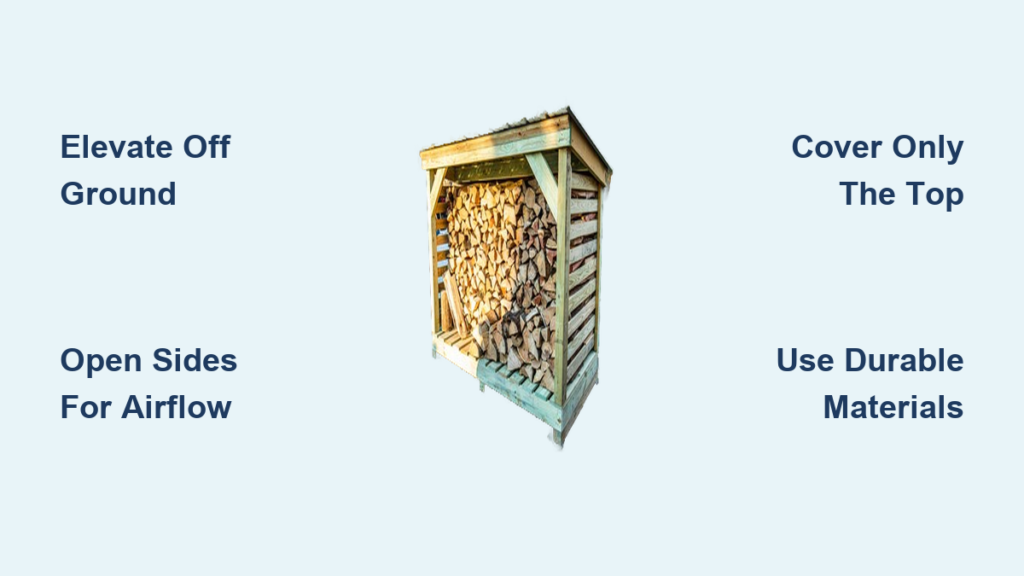
Storing firewood properly is about more than just keeping it off the ground. It is about maximizing drying efficiency, protecting your investment, and integrating functional design into your home or yard. Poorly stored wood absorbs moisture, rots faster, and burns inefficiently. A well-designed firewood rack solves these problems while adding visual appeal to patios, garages, or living rooms. Whether you are looking for a DIY project, a sleek indoor solution, or a permanent outdoor structure, the right firewood rack balances airflow, protection, and accessibility.
This guide covers proven firewood rack ideas from simple backyard builds to stylish indoor storage that help season wood faster, reduce clutter, and enhance your space. You will learn which designs work best in different climates, how to build durable racks with minimal tools, and what materials last longest.
Choose the Right Firewood Rack Type
Not all firewood racks are created equal. The best choice depends on your climate, available space, usage frequency, and aesthetic preferences. Each type offers distinct advantages for specific needs.
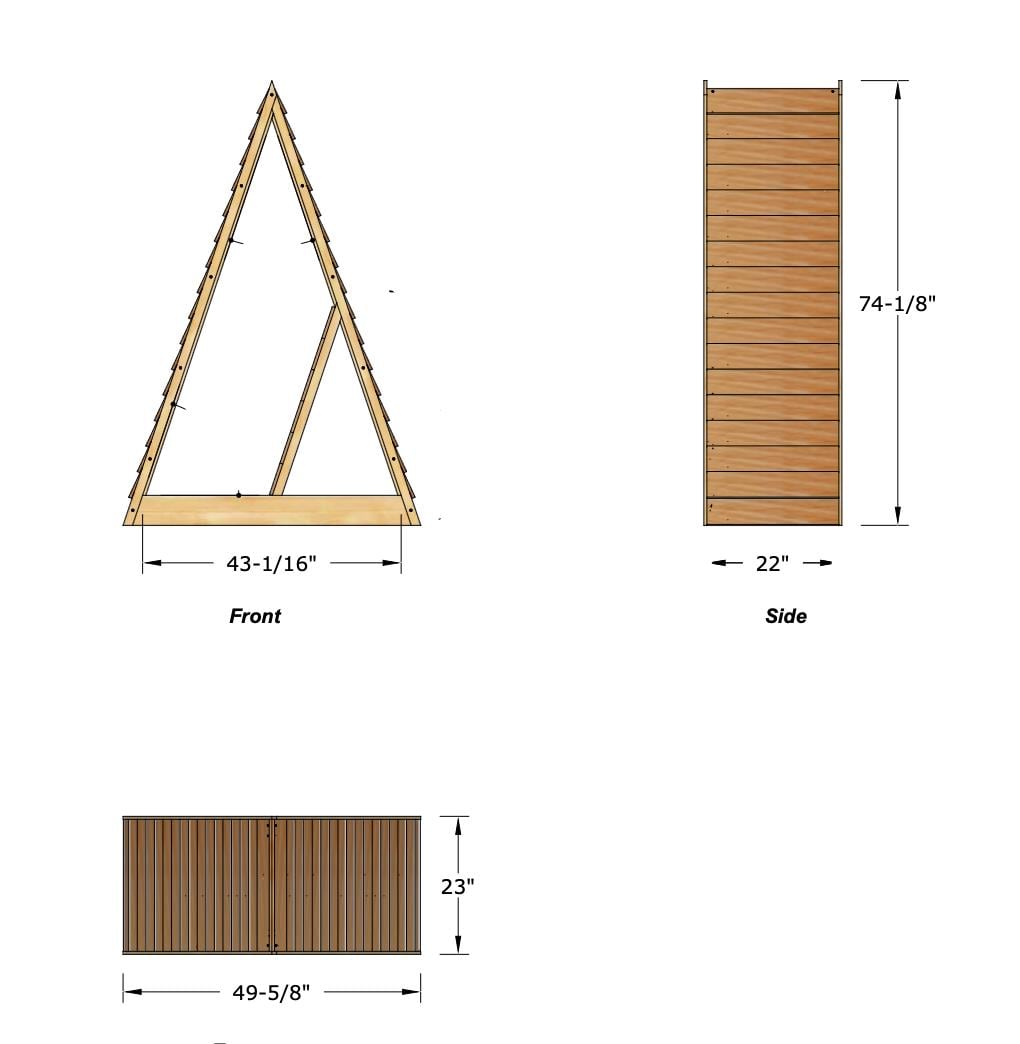
Triangular A-Frame Rack
This classic DIY design uses paired triangular frames to create a peaked roof structure that sheds rain naturally. It is ideal for moderate climates where seasonal protection is needed without full enclosure.
The sloped sides make loading easy, and the peak leaves room for optional roofing. Logs slide into triangular gaps, keeping them organized and visible. For added durability, use Simpson Strong-Tie SDWS 3 inch screws, which require no pre-drilling.
Expandable Linear Racks
Perfect for large properties or heavy heating demands, these modular systems grow as your needs do. They come in three main sizes, including one-third cord, half cord, and full cord.
These racks follow EPA-recommended practices. Cover only the top and leave sides open. Use a canvas or metal roof panel extending 12 to 18 inches beyond the stack to block wind-driven rain. T-post versions drive directly into soil for stability, while wooden ends match landscape aesthetics.
Covered Dual-Stack Rack
Engineered for maximum capacity and protection, this elevated design holds two rows of firewood front-to-back under a full steel canopy. The five-foot height improves access to back-row logs.
This system uses pressure-treated 2x4s and over 200 heavy-duty screws. The roof requires two people to lift but delivers superior weather resistance. Users report zero mold or moisture issues even after harsh winters.
Permanent Woodshed with Overhang
For long-term storage of green wood, nothing beats a dedicated woodshed. Start at six feet by 10 feet with three walls and an open front facing away from prevailing winds.
This structure can store a full cord or more and double as tool storage. Fasten joints with carriage bolts for lasting strength. In humid regions, leave side gaps or install louvered vents to prevent trapped moisture.
Space-Saving Indoor Firewood Storage Ideas
:max_bytes(150000):strip_icc()/bhg-buit-in-bookcase-firewood-BcNfoDNGa4T8BOE_mPF8u--3f99cedbd9c94a448be0678aad3f6e37.jpg)
When outdoor space is limited or you want wood ready by the fireplace, indoor solutions combine function with decor. These options work especially well in urban homes where floor space is precious.
Wall-Mounted Log Holders
Maximize vertical space with wall-mounted racks made from reclaimed wood, black steel pipe, or galvanized metal. Secure into studs or masonry anchors. Floating designs appear to hover on the wall, creating a minimalist look. Pair with exposed brick or stone for rustic charm.
Built-In Fireplace Shelving
Custom cabinetry built around fireplaces keeps wood accessible and hidden from view. Matches surrounding trim or media wall. Extends floor-to-ceiling for high capacity. Ventilated slats allow airflow while reducing dust.
Under-Bench and Furniture Storage
Hidden compartments beneath furniture keep wood dry and out of sight. Lift-top ottomans, window seats, or entryway benches work well. Coffee tables with removable lids offer another option. Garage cabinets with pull-out trays provide easy access.
Decorative Firewood Displays
Turn firewood into interior art. Stack logs at angles to highlight grain. Mix with books, candles, or plants on mantels. Rotate wood monthly to avoid drying or pests. Use seasoned wood only and avoid stacking near vents or humidifiers.
Durable Materials That Last
Your rack lifespan depends heavily on material choices, especially where wood meets ground or weather. Selecting the right components prevents premature failure and costly replacements.
Best Lumber Options
Pressure-treated 2×4 or 2×6 lumber works best for frames, bases, and decking, lasting over 10 years. Cedar or redwood provides naturally rot-resistant options for trim and indoor racks, lasting 8 to 12 years. Fence pickets at six inches wide work for roofing with half-inch overlap, lasting 5 to 7 years.
Use pressure-treated wood for all ground-contact components. Pre-cut and paint or seal before assembly for full protection.
Metal and Industrial Alternatives
Galvanized steel baskets offer corrosion resistance and work great for patios. Black iron pipe racks provide DIY-friendly options with flange connectors. Rolling carts with wheels let you move wood from shed to fireplace easily.
Metal racks handle up to 1,200 pounds and resist insects and rot. Look for powder-coated finishes to prevent rust. Some models include canvas covers for light weather protection.
Common Mistakes to Avoid
Avoid using untreated pine for base supports because it rots within 1 to 2 years. Never enclose all sides because this traps moisture and causes mold. Never place wood against house siding because this invites pests. Never use plastic tarps over the entire stack because this creates a greenhouse effect.
Instead, elevate, ventilate, and cover only the top.
DIY Firewood Rack: Step-by-Step Build Guide
Build a rugged, covered dual-stack rack using common tools and materials. Designed for five-foot height and half-cord capacity, this project takes one weekend.
Tools and Materials Needed
Gather these tools before starting. You will need a miter saw, drill or driver, framing nailer, tape measure, level, and square.
Collect these materials. Nineteen eight-foot pressure-treated 2x4s, 12 eight-inch by 16-inch concrete blocks, 200 Simpson Strong-Tie SDWS three-inch screws, 100 roofing screws with rubber gaskets, and four two-foot by 45-inch steel roofing panels.
Cut List
Cut pieces according to these measurements for the back rack. Two eight-foot longitudinal base boards, four 60-inch corner uprights, seven 11-inch cross connectors, two 40-inch bottom supports, two 38-inch upper roof supports, and four 16-inch 45-degree corner braces.
The front rack uses the same cut list except uprights measure 59 inches, which is one inch shorter for roof pitch.
For the roof, cut two eight-foot boards for the frame and five 42-inch cross supports.
Assembly Steps
Pre-cut and pre-finish all pieces in a workshop. Prepare the site by leveling ground, laying gravel if desired, and placing 12 concrete blocks in two parallel rows.
Build the back rack first. Assemble the base with eight-foot boards and 40-inch connectors. Attach 60-inch uprights at corners. Reinforce with 45-degree mitered braces.
Build the front rack using 59-inch uprights. Construct the roof frame with eight-foot and 42-inch boards, then attach steel panels with gasketed screws.
Position the back rack on the concrete blocks. Align the front rack using temporary connector boards. Join both racks with 11-inch cross pieces and screws.
Install temporary roof supports between upper connectors. Lift the roof into place with a helper. Secure the roof to uprights, then remove temporary braces and reinstall midway for extra support.
Pro tip. Build modules off-site for easier transport and reuse connector boards as shelf supports.
Optimize Placement and Airflow
Even the best rack fails if placed incorrectly. Follow these proven guidelines to maximize performance and extend the life of your stored wood.
Ideal Location Tips
Place your rack within 10 to 15 feet of your fireplace or stove for convenient access. Face the open side away from prevailing winds to block rain and snow. Allow 18-inch clearance on all sides for airflow and access. Keep the stack at least 30 feet from the house if storing long-term.
In snowy areas, avoid placing under tree branches that shed ice.
Maximize Seasoning Speed
Green wood takes 6 to 12 months to dry. Speed it up with smart stacking techniques.
Split wood before stacking because this doubles surface area. Stack wood bark-side down because this exposes the moisture-rich cambium layer. Use a crisscross log cabin pattern between layers for enhanced ventilation. Store in full sun and breeze when possible.
EPA research shows open-sided racks reduce drying time by up to 20 percent compared to enclosed units.
Weatherproofing Without Suffocating Wood
Balancing protection and airflow is key. Here is how to get it right without causing moisture problems.
Roofing That Works
Metal panels provide the best durability and runoff. Fence pickets work well when installed with half-inch overlap and spaced 5.5 inches apart. Canvas or vinyl covers work on hoop racks but never seal the sides.
Avoid solid plywood roofs because they trap condensation. Use breathable materials that shed water while allowing vapor escape.
Tarp Use
If using a tarp, cover only the top third of the stack. Leave ends fully open. Use weighted edges to prevent flapping.
Plastic tarps degrade in UV light. Opt for heavy-duty vinyl or canvas instead.
Maintenance and Long-Term Care
A firewood rack is not a set-and-forget item. Annual upkeep ensures longevity and protects your investment.
Yearly Inspection Checklist
Tighten loose screws or bolts. Replace warped or cracked boards. Clean debris from base and roof. Reapply sealant or paint to exposed wood. Check for insect nests or rodent activity.
Rotate wood using first-in, first-out order to prevent aging.
Extend Rack Life
Use stainless steel or galvanized fasteners. Elevate on pavers or gravel, not bare soil. Re-tighten connections every two years. Add a kindling shelf underneath for small splits.
With proper care, a well-built rack lasts 10 to 15 years.
Creative and Decorative Firewood Ideas
Firewood does not have to look utilitarian. These designs blend form and function beautifully.
Round Hoop-Style Racks
Circular metal hoops hold wood in a radial pattern, great for garden settings. Made from galvanized tubing or black iron pipe. Often paired with canvas covers. Holds one-quarter to one-third cord.
These racks serve as sculptural yard art and are ideal for patios where appearance matters more than bulk storage.
Masonry Wood Niche
Incorporate firewood storage into brick or stone walls. Built into patio walls or fireplace surrounds. Open front with overhang. Lasts indefinitely with proper mortar.
This requires masonry skills but adds permanent value to outdoor spaces.
Floating Shelf Storage
Minimalist wall shelves with hidden brackets create a clean, modern look. Made from solid wood or engineered board. Anchored into studs or concrete. Holds 20 to 40 logs.
Best for indoor use near stoves or in open-concept living areas.
Frequently Asked Questions About Firewood Rack Ideas
What is the best firewood rack for humid climates?
Open-sided racks with metal roofing provide the best protection in humid climates. The roof shields from rain while open sides allow airflow to prevent mold. Avoid enclosed designs that trap moisture.
How much firewood can a standard rack hold?
A standard triangular A-frame rack holds approximately half a cord, which is 64 cubic feet. Expandable linear racks range from one-third cord to full cord depending on length.
Should I treat my firewood rack with sealant?
Apply sealant or paint to all exposed wood surfaces before assembly for complete protection. Reapply every one to two years on outdoor racks. Pressure-treated lumber does not require initial treatment but benefits from periodic sealing.
Can I use a firewood rack indoors?
Yes, wall-mounted holders, built-in shelving, and decorative displays work well indoors. Ensure wood is fully seasoned before bringing inside and keep it away from heat sources.
How far should firewood racks be from the house?
Keep racks at least 30 feet from structures for long-term storage. Place within 10 to 15 feet for frequently accessed wood near your fireplace or stove.
Key Takeaways for Firewood Rack Ideas
The best firewood rack ideas solve real problems while enhancing your home. Remember these core principles when choosing or building your setup.
Choose durability over looks. Select pressure-treated lumber, stainless steel fasteners, and metal roofing for long-lasting performance. A well-built rack lasts 10 to 15 years with minimal maintenance.
Prioritize airflow over enclosure. Cover only the top while leaving all sides open. This simple practice reduces drying time by up to 20 percent and prevents mold.
Design for easy access. Place racks within 10 to 15 feet of your fireplace. Allow 18-inch clearance on all sides. Choose heights around five feet for comfortable loading.
From rugged backyard workhorses to elegant indoor displays, the right firewood rack pays off in performance and peace of mind. Whether you build it yourself or buy pre-made, invest in a design that promotes airflow, elevation, and partial cover. Your firewood stays dry, safe, and ready to burn all season long.