
Nothing ruins the joy of baking like opening your oven to see grimy, grease-coated racks. Over time, food spills, baked-on oils, and carbonized residue turn oven racks into eyesores—and worse, they can affect cooking performance and air quality. The good news? With the right method, you can clean a dirty oven rack and restore even the filthiest racks to like-new condition. Whether you’re dealing with light grime or years of buildup, this guide reveals the most effective, tested ways to clean a dirty oven rack using common household items or targeted products.
Why You Must Remove Racks Before Cleaning
Never Run Self-Cleaning With Racks Inside
High-heat self-cleaning cycles can reach 1,000°F, hot enough to warp, discolor, or permanently damage oven racks. The intense heat dulls finishes and may cause metal fatigue over time. Always pull racks out before starting any self-clean function.
How to Safely Remove Oven Racks
- Open the oven door fully.
- Lift the front edge of the rack slightly.
- Pull forward until the rollers clear the track.
- Lift and set aside on a protected surface like a towel-lined counter or bathtub.
Inspect racks for coating wear or warping while they are out. If the finish is peeling or cracked, avoid abrasive cleaners to prevent further damage.
Best Soak Methods for Deep Cleaning
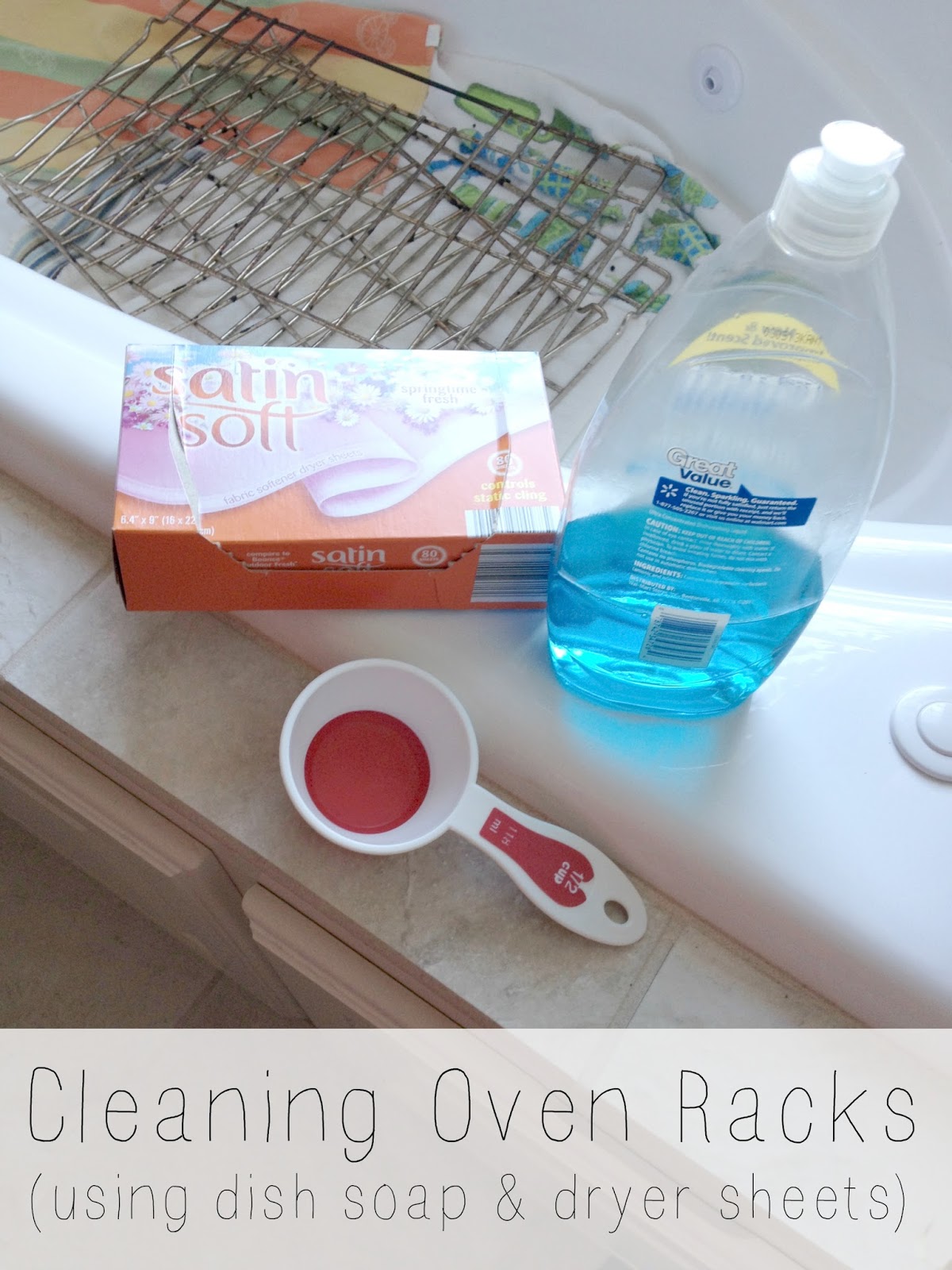
Soaking is the gold standard for cleaning oven racks. It loosens baked-on grease with minimal scrubbing. These two methods deliver the best results with everyday supplies.
Dish Soap and Dryer Sheets Soak
This unexpected combo is a game-changer. Soaking oven racks in dish soap and dryer sheets breaks down years of grease with little effort.
What You Need
- One cup grease-cutting dish soap (like Dawn)
- 5 to 10 dryer sheets (approximately 2 per rack)
- Large plastic bin or bathtub
- Very hot water
Step-by-Step
- Place racks in the bin or tub.
- Add dish soap and dryer sheets.
- Pour in very hot water to fully submerge racks.
- Let soak for 4 to 6 hours, or overnight for heavy buildup.
- Drain the water and use the same dryer sheets as soft scrubbers to wipe off residue.
- Rinse thoroughly and dry completely.
Why It Works
Dryer sheets contain quaternary ammonium compounds that dissolve grease at a molecular level. When soaked in hot water, these ingredients activate and penetrate stubborn layers. The fabric also provides gentle abrasion, perfect for lifting gunk without scratching.
Pro Tip: Reuse the softened sheets as cleaning cloths. They are now loaded with degreasers.
Users report racks looking brand new after this method, even when previous cleanings failed.
Dishwasher Tablets in Hot Water
Fast, effective, and low-effort, this method uses three dishwasher tablets dissolved in boiling water to tackle tough grime.
Supplies
- 3 dishwasher tablets (Finish Quantum works best)
- Large container (drain-safe plastic)
- Boiling and hot water
- Non-abrasive sponge
Instructions
- Crush tablets and dissolve in 2 quarts of boiling water.
- Pour into container and add more hot water to cover the rack.
- Soak for 3 hours, or longer for extreme buildup.
- Wipe clean with a soft sponge. No heavy scrubbing needed.
- Rinse well and air-dry before reinstalling.
Results
- Grease lifts easily
- Minimal scrubbing required
- Racks come out slightly shinier than with dish soap alone
Expert Note: This method works faster than others but costs more per use. Ideal when you need clean racks quickly.
Quick Cleaning Without Soaking
Cannot wait hours? Try these faster methods, but expect more elbow grease.
Manual Scrubbing with Degreaser
Ideal for moderately dirty racks, this method skips soaking and gets straight to work.
Tools Needed
- Grease-cutting spray (like Dawn Powerwash)
- Warm water
- Scouring pad (non-metallic)
- Old towels (for surface protection)
Steps
- Lay racks in the sink or tub lined with towels.
- Spray generously with degreaser, especially on greasy spots.
- Wait 5 to 10 minutes for the formula to break down oil.
- Scrub with a medium-duty pad. Focus on corners and wire intersections.
- Rinse under running water until water runs clear.
- Dry completely before reinserting.
Time Required: 30 to 60 minutes
Warning: Avoid steel wool or abrasive pads. They scratch protective coatings and accelerate future sticking.
This method works well for routine maintenance but struggles with decade-old carbon buildup.
Using Commercial Oven Cleaner Safely
When grime will not budge, oven cleaner spray delivers industrial-strength results, but requires safety precautions.
Recommended Products
- Easy-Off Heavy Duty
- Glisten Oven Rack Cleaner
How to Apply Safely
- Work outdoors or in a well-ventilated garage.
- Lay down newspaper or cardboard to protect flooring.
- Wear nitrile gloves and avoid skin contact.
- Spray evenly over the rack surface.
- Wait 30 seconds to 10 minutes, per label instructions.
- Wipe or rinse clean. Some require water, others just a cloth.
- Dry fully before reuse.
Pros and Risks
- Pros: Dissolves carbonized residue fast
- Cons: Fumes can be harmful, may discolor chrome finishes if overused
Never use oven cleaner inside the oven with racks installed. It can damage heating elements and create toxic fumes when heated.
Baking Soda: When It Works
Baking soda is safe and non-toxic, but it is not strong enough for deep oven rack cleaning.
Paste Method for Spot Treatment
- Mix baking soda with water to form a thick paste.
- Apply to greasy areas.
- Let sit 15 to 30 minutes.
- Scrub with sponge and rinse.
Best For
- Touch-ups between deep cleans
- Light spills or minor staining
Avoid relying on baking soda alone for heavily soiled racks. It requires excessive scrubbing and multiple applications.
Methods to Skip
Vinegar and Baking Soda: Skip This Myth
Despite its popularity online, the vinegar and baking soda reaction stops within seconds and does not clean baked-on grease effectively.
Why It Fails
- The fizzing action is short-lived
- No sustained degreasing power
- Offers minimal penetration into carbonized layers
Expert Verdict: It is more theatrical than functional. Cleaning professionals agree it is ineffective for oven racks.
Save this combo for drains or deodorizing, not deep cleaning.
Dishwasher Detergent Soaks
Some suggest soaking racks in automatic dishwasher detergent, but this method falls short.
Issues
- Requires overnight soak
- Water cools quickly, reducing effectiveness
- No better cleaning power than dish soap
- More expensive per use
Bottom Line: Not worth the cost or effort. Stick to dish soap or dishwasher tablets instead.
Recommended Tools and Supplies
Use the right tools to maximize results and protect your racks.
Cleaning Agents
- Grease-cutting dish soap (Dawn, Palmolive)
- Dishwasher tablets (Finish, Cascade)
- Dryer sheets (any brand)
- Oven cleaner spray (for fast industrial clean)
- Baking soda (light cleaning only)
Equipment
- Large plastic bin or bathtub
- Non-abrasive sponges (like Scotch-Brite Non-Scratch)
- Medium-duty scrub pads (for tough spots)
- Rubber or nitrile gloves
- Towels (surface protection)
Never use steel wool or wire brushes. They scratch surfaces and promote faster re-soiling.
Step-by-Step Best Practice Routine
Follow this expert-backed protocol for safe, effective cleaning.
- Remove racks from oven
- Inspect for damage (warping, peeling coating)
- Choose method based on time, soil level, and chemical tolerance
- Prep workspace: Line tub with towels, protect floors if using oven cleaner
- Soak or apply cleaner: Dish soap + dryer sheets (overnight), dishwasher tablets (3+ hours), or oven cleaner (10 to 30 min, outdoors)
- Scrub gently with non-abrasive tool
- Rinse thoroughly under running water
- Dry completely (air-dry or towel-dry)
- Reinstall only when dry to prevent steam or corrosion
Maintenance Tips to Prevent Buildup
Keep racks cleaner longer with these habits.
- Wipe after spills while oven is cool
- Clean every 3 to 6 months, even if not visibly dirty
- Remove racks during deep oven cleaning
- Avoid cooking sprays that leave sticky residues
- Store racks carefully to avoid scratches
Pro Tip: Place a sheet of aluminum foil on the bottom rack to catch drips. Just do not block vents.
Top 3 Recommended Methods
After analyzing effectiveness, cost, time, and user feedback, here are the top-rated methods to clean a dirty oven rack.
1. Dish Soap + Dryer Sheets (Overnight Soak)
- Best for: Most users
- Why: Inexpensive, highly effective, uses household items
- Result: Like-new finish, even on old grime
2. Dishwasher Tablets in Hot Water (3+ Hour Soak)
- Best for: Speed and ease
- Why: Minimal scrubbing, fast action
- Drawback: Higher cost per use
3. Commercial Oven Cleaner (Outdoor Use)
- Best for: Urgent cleaning needs
- Why: Fastest degreasing
- Caution: Requires ventilation and gloves
What to Avoid
- Vinegar and baking soda mix
- Dishwasher detergent soaks
- Abrasive pads or steel wool
- Leaving racks in during self-cleaning cycle
- Reinstalling wet racks
Frequently Asked Questions About Cleaning Oven Racks
How long should I soak oven racks to remove baked-on grease?
Soak oven racks for at least 3 hours for moderate buildup, or overnight (4 to 6 hours) for heavy grease. The longer you soak, the easier the cleanup. Use very hot water to maximize the cleaning power of dish soap or dishwasher tablets.
Can I use vinegar and baking soda to clean oven racks?
No. The vinegar and baking soda reaction stops within seconds and provides no sustained cleaning power for baked-on grease. This combination is more theatrical than functional. Stick to dish soap, dryer sheets, or dishwasher tablets for effective results.
Is it safe to leave oven racks in during self-cleaning mode?
Never leave oven racks inside during a self-cleaning cycle. The heat can reach 1,000°F and cause permanent damage including warping, discoloration, and finish damage. Always remove racks before running any self-clean function.
What is the fastest way to clean a dirty oven rack?
The fastest method is using a commercial oven cleaner like Easy-Off Heavy Duty. Apply outdoors, wait 30 seconds to 10 minutes, then wipe clean. This takes 10 to 30 minutes total, but requires proper ventilation and gloves.
How often should I clean my oven racks?
Clean oven racks every 3 to 6 months, even if they do not look dirty. Regular cleaning prevents heavy buildup and makes each deep clean much easier. Wipe down racks after any major spill for best results.
Key Takeaways for Cleaning Dirty Oven Racks
The key to spotless oven racks is not magic. It is using the right combination of hot water, surfactants, and dwell time. The dish soap and dryer sheets soak delivers the best balance of cost, effectiveness, and accessibility, leaving racks looking brand new even after years of buildup. Dishwasher tablets in hot water offer the fastest results with minimal effort, while commercial oven cleaners work fastest for urgent needs but require safety precautions.
Whatever method you choose, always remove racks before cleaning, use non-abrasive tools, and dry completely before reinstalling. Clean racks every 3 to 6 months to prevent heavy buildup, and your oven will perform better and last longer. Pick the method that fits your schedule and supplies, and enjoy a cleaner, more efficient oven.