

A bamboo dish rack brings natural beauty and sustainability to your kitchen, but if not properly cared for, it can become a breeding ground for mold. Despite bamboo’s natural resistance to bacteria and moisture, repeated exposure to water without thorough drying creates the perfect environment for mold and mildew. The problem is not the material; it is how it is maintained. Many users are surprised when black spots or musty smells appear, not realizing that daily habits like leaving wet dishes on the rack or skipping proper drying are slowly degrading the bamboo. The good news? With the right routine, you can keep your bamboo dish rack clean, dry, and mold-free for years.
This guide reveals proven daily, weekly, and long-term strategies to protect your rack, so you can enjoy its eco-friendly benefits without the health risks. You will learn exactly how to dry, clean, treat, and position your rack for maximum mold prevention.
Daily Drying Habits That Stop Mold
Moisture is mold’s best friend. The key to prevention is not just cleaning; it is ensuring your bamboo rack dries completely every single day. Most mold starts in hidden spots: under the tray, between slats, or at the base where water pools. A quick wipe-down takes less than a minute but makes all the difference.
Wipe After Every Use
Grab a dry microfiber cloth and wipe all surfaces after removing dishes. Focus on joints, legs, and corners, areas where water collects. This removes residual dampness before it seeps into the bamboo. Do not skip this step, even if the rack looks dry. Bamboo wicks moisture from the air, so surface drying is not enough.
Air-Dry in a Ventilated Spot
Place the rack where air can circulate freely, away from walls, cabinets, or steamy appliances. Elevate it slightly using rubber feet or a stand to let air reach the underside. Avoid tucking it into tight corners or under windows that stay closed. If your kitchen is humid, consider using a small fan on low speed during drying.
Use a Drying Mat
Set the rack on a silicone or absorbent mat to catch drips. This prevents water from pooling under the rack and protects your countertop. Empty or dry the mat daily. Some users rotate between two mats so one can dry while the other is in use.
Weekly Deep Cleaning Routine

Even with daily wiping, grime and bacteria build up over time. A weekly deep clean removes early mold spores, soap scum, and food residue before they become problems.
Wash with Mild Soap
Fill a bowl with warm water and a few drops of mild dish soap. Dip a soft sponge into the solution and wipe down every part of the rack: slats, frame, joints, and removable tray. Use an old toothbrush for tight crevices. Never submerge the rack; bamboo swells when soaked.
Treat Stains and Early Mold
For dark spots or mild discoloration, mix one tablespoon baking soda with one cup water to form a paste. Apply it to affected areas and gently scrub with a soft brush. Baking soda lifts stains and neutralizes odors without scratching the surface. Rinse thoroughly with clean water.
Disinfect with Vinegar
In a spray bottle, combine equal parts white vinegar and water. Spray the entire rack and let it sit for five to ten minutes. Vinegar kills eighty-two percent of mold species and disinfects without toxic fumes. For stronger protection, use undiluted vinegar on stubborn spots. Some users prefer to skip rinsing to let vinegar’s antimicrobial effect last longer; just ensure full drying afterward.
Dry in Sunlight
After cleaning, pat the rack dry with a towel, then place it in direct sunlight for four to six hours. UV rays naturally kill mold spores and accelerate drying. Sunlight also helps restore bamboo’s color and prevents musty smells. If outdoor sun is not an option, use a well-lit, airy indoor space.
Oil Every 3–6 Months to Seal Bamboo
Bamboo is porous. Without protection, it absorbs water like a sponge. Regular oiling creates a water-resistant barrier that prevents moisture from penetrating the fibers.
Choose the Right Oil
Use food-safe, non-toxic oils. Refined coconut oil is natural and eco-friendly. Food-grade mineral oil works well. Specialized bamboo or wood oils are also effective. Avoid cooking oils like olive or vegetable oil; they can turn rancid and attract bacteria.
Apply Oil Correctly
Ensure the rack is clean and bone-dry. Pour a small amount of oil onto a clean cloth. Rub it evenly into all surfaces, especially high-moisture zones like joints and the bottom frame. Let it soak for one to two hours. Wipe off excess with a dry cloth. Allow to cure overnight before reuse.
Oiling every three to six months keeps bamboo supple, prevents cracking, and reduces the risk of mold by limiting water absorption.
Optimize Placement and Airflow
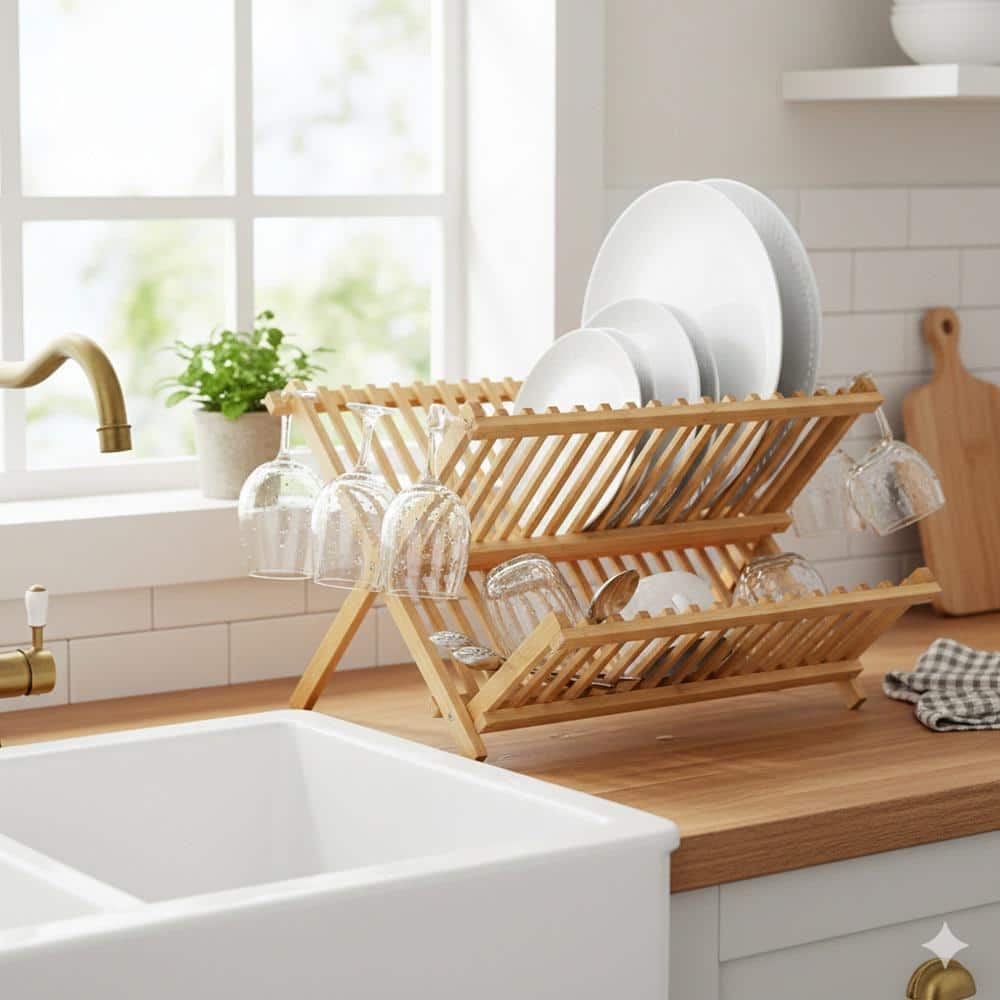
Where you place your dish rack matters just as much as how you clean it. Poor airflow turns even a well-maintained rack into a mold factory.
Keep It Out of Steam Zones
Do not place the rack near the dishwasher, stove, or sink where steam and splashes increase humidity. Steam condenses on cool surfaces, keeping the bamboo damp for hours. Move it at least eighteen inches away from heat and water sources.
Allow 360° Airflow
Leave space on all sides. Do not push it against the wall or tuck it into a corner. Air needs to circulate freely to carry moisture away. If space is tight, use small rubber bumpers to lift the rack slightly and create a gap behind it.
Rotate Weekly
Turn the rack around once a week so all sides get equal airflow and light exposure. This prevents one side from staying damp due to shadow or blocked air.
Avoid These Common Mistakes
Even careful users make mistakes that invite mold. Steering clear of these errors is half the battle.
Never Use Bleach
Bleach may kill mold, but it damages bamboo. It strips natural oils, causes fibers to dry out and crack, and leaves behind toxic residues. Instead of solving the problem, bleach weakens the rack and makes it more prone to future mold. Use vinegar; it is safer and just as effective.
Do Not Put It in the Dishwasher
The high heat, prolonged water exposure, and strong detergents in dishwashers will warp, split, or delaminate bamboo. Even gentle cycles are too harsh. Always hand-wash and air-dry.
Avoid Soaking
Never leave the rack in a sink full of water or soak it to clean. Even ten minutes of submersion can cause swelling and internal moisture retention, leading to mold inside the wood. Quick surface cleaning only.
Never Skip Drying
The most common mistake is leaving the rack damp overnight. Even if you clean it, incomplete drying guarantees mold growth. Always dry fully; no exceptions.
Immediate Action If Mold Appears
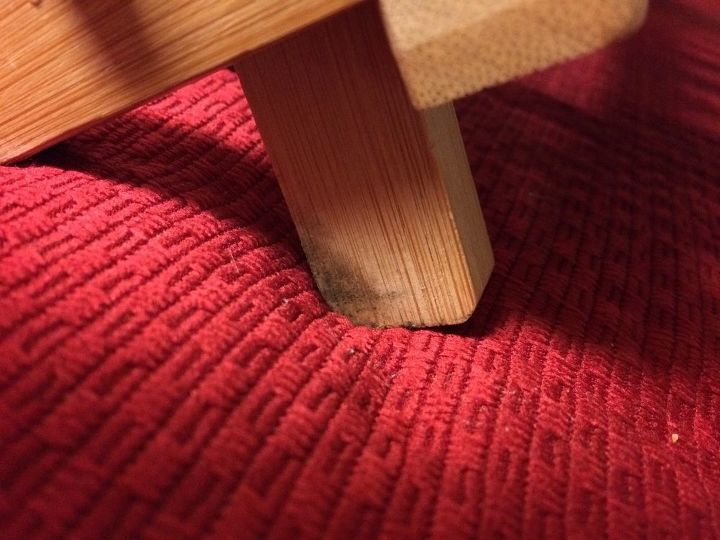
If you spot black or green spots, do not panic. Early mold can be removed safely without replacing the rack.
Use Vinegar First
Spray undiluted white vinegar on the moldy area. Let it sit for ten minutes, then scrub gently with a soft brush. Rinse with water and dry in direct sunlight. Vinegar penetrates porous surfaces better than bleach and does not leave harmful fumes.
Try Baking Soda for Stubborn Spots
Make a paste and scrub the area. It lifts stains and deodorizes. Follow with a vinegar spray to disinfect.
Lightly Sand with Steel Wool
For persistent mold, use 0000-grade steel wool, the finest available. Gently sand the affected area to remove surface mold and stains. Do not press hard; you are not trying to gouge the wood. After sanding, clean with vinegar and apply oil to reseal.
Sun-Dry After Cleaning
After treatment, place the rack in full sun for several hours. UV light kills remaining spores and ensures deep drying. This step is crucial; cleaning without drying just delays the next outbreak.
When to Replace Your Bamboo Rack
Even with perfect care, bamboo has a lifespan. Know when it is time to let go.
Signs It Is Beyond Saving
Deep cracks or splits that trap water are a problem. Mold returns within days of cleaning. The rack feels soft or spongy. A foul, sour smell will not go away despite thorough cleaning.
Expected Lifespan
With proper maintenance, daily drying, weekly cleaning, and regular oiling, a bamboo dish rack lasts three to five years or more. Some users report seven plus years with diligent care. If yours fails sooner, check your drying routine first.
Key Takeaways for Keeping Your Bamboo Dish Rack Mold-Free
Preventing mold on a bamboo dish rack comes down to one rule: keep it dry. Cleaning helps, but drying is non-negotiable. Wipe the rack with a dry cloth after every single use, and always allow it to air-dry completely before putting it away. Pair daily wiping with weekly vinegar disinfection, regular oiling every three to six months, and smart placement away from steam zones. Never use bleach, never machine-wash, and never soak the rack. Act immediately if mold appears; spray vinegar, scrub gently, and sun-dry thoroughly. With these simple habits, your bamboo dish rack can be both eco-friendly and hygienic for years to come.
Frequently Asked Questions About Preventing Mold on Bamboo Dish Racks
How often should I oil my bamboo dish rack?
Oil your bamboo dish rack every three to six months. Use food-safe oils like refined coconut oil or food-grade mineral oil. Oiling creates a water-resistant barrier that prevents moisture from penetrating the bamboo fibers.
Can I use bleach to clean mold off my bamboo dish rack?
No, bleach damages bamboo. It strips natural oils, causes cracking, and leaves toxic residues. White vinegar is a safer and equally effective alternative that kills mold without harming the bamboo.
Why does my bamboo dish rack mold even after I clean it?
Mold returns when the rack is not dried completely after cleaning. Bamboo absorbs moisture easily, so any dampness left behind creates the perfect environment for mold. Always dry the rack fully in a well-ventilated area or sunlight after each cleaning.
Can I put my bamboo dish rack in the dishwasher?
No, never put bamboo in the dishwasher. The high heat, prolonged water exposure, and harsh detergents will warp, split, or delaminate the bamboo. Always hand-wash and air-dry.
How long does a bamboo dish rack last?
With proper care, a bamboo dish rack lasts three to five years or longer. Daily drying, weekly cleaning, and regular oiling significantly extend its lifespan.
What is the best way to remove mold from a bamboo dish rack?
Spray undiluted white vinegar on the affected area, let it sit for ten minutes, then scrub gently with a soft brush. Rinse and dry in direct sunlight. For stubborn spots, use baking soda paste or lightly sand with 0000-grade steel wool.