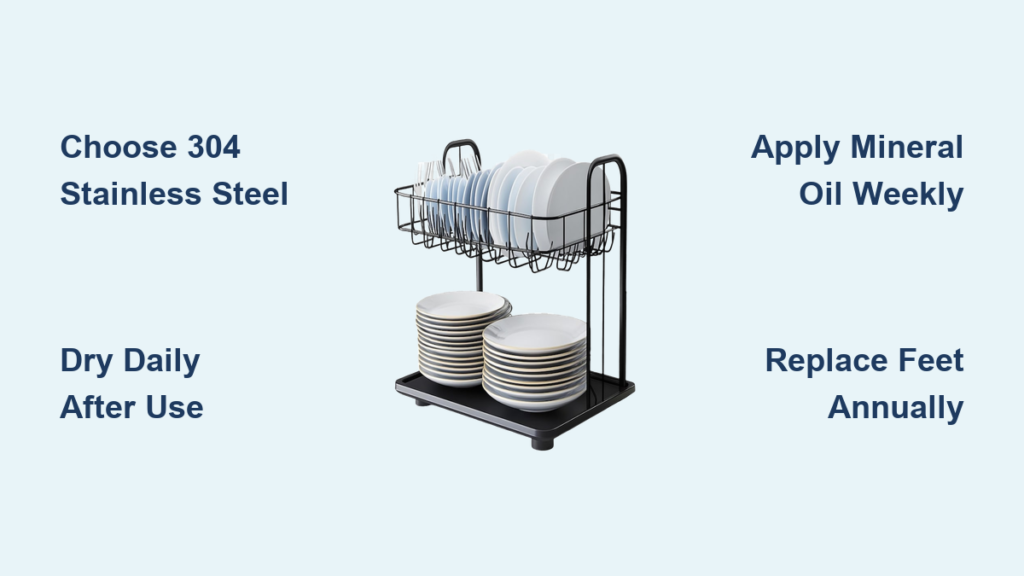
A stainless steel dish rack should last for years, but if yours is already showing orange flecks or pitting, you are not alone. Despite being labeled rust-resistant, most dish racks begin to corrode within the first year. The culprit is not poor materials alone but daily moisture traps and incorrect care habits. This guide reveals the science-backed steps to stop rust before it starts.
You will learn how to choose the right rack, eliminate hidden moisture, and apply a simple weekly sealant that extends lifespan by years, not months. Whether you have hard water, a small sink, or a rack already showing early signs of wear, these actionable strategies will keep your kitchenware corrosion-free.
Choose the Right Stainless Steel Grade

Not all stainless steel is created equal. The grade determines how well your rack resists rust, especially in humid or high-chloride environments like kitchens.
Know Your Stainless Steel Types
- 430 Stainless Steel is found in budget racks. It is magnetic with low nickel content and minimal corrosion resistance. This grade typically rusts within one to two years, even with proper care.
- 304 Stainless Steel is ideal for home use. It is non-magnetic with eight to ten and a half percent nickel and forms a strong oxide layer. This grade resists chlorinated water and humidity far better than lower grades.
- 316 Stainless Steel is the best choice for coastal areas. It contains molybdenum for superior chloride resistance but is rare in consumer racks due to cost.
Always check product specifications. Some brands label racks as stainless without disclosing the grade. Look for 304-grade or 18/8 stainless steel (18% chromium, 8% nickel) for maximum durability.
Avoid Plastic-Coated Racks
Coated racks may look sleek, but once the finish chips, often within months, exposed metal rusts faster than uncoated steel. Worse, contact between stainless steel and degraded plastic can trigger galvanic corrosion, accelerating damage at scratch sites.
Pro Tip: Opt for uncoated 304 stainless steel with smooth welds. It is easier to clean, inspect, and maintain long-term.
Daily Drying Routine That Stops Rust
The single most effective rust prevention method is complete drying every day. Microscopic moisture films, too thin to see, can initiate corrosion in just 72 hours.
Rinse and Dry Immediately
After removing dishes, follow these steps:
- Rinse the rack under warm water, focusing on welded corners, drain spouts, and areas under rubber or silicone feet.
- Shake gently to dislodge trapped water.
- Use a clean microfiber towel to wipe all surfaces, applying firm pressure to wick out residual moisture.
Why microfiber? It removes up to 99% of surface water, including films as thin as 0.01 millimeters, far better than air-drying or cotton towels.
Reposition for Drainage
Do not place the rack directly under a dripping faucet. Even occasional splashes create persistent damp zones. Instead, tilt the rack slightly forward so water runs off. Keep it at least six inches away from the sink spray zone. Store it on a countertop with airflow, not inside a closed cabinet.
Apply Mineral Oil Weekly as a Protective Seal
A weekly application of food-grade mineral oil creates an invisible hydrophobic barrier that repels water and blocks oxygen, two key ingredients in rust formation.
How to Apply Mineral Oil Correctly
- Use one drop of mineral oil per major section, such as base, arms, and drain tray.
- Spread with a lint-free cloth. Do not pour directly onto metal.
- Buff until no shine remains. Over-application attracts dust.
Never use olive oil, coconut oil, or cooking sprays. These oxidize, turn sticky, and trap moisture, speeding up rust instead of preventing it.
Why Mineral Oil Works
Unlike plant oils, mineral oil is inert and does not degrade. It fills microscopic pores in the metal surface, reducing water adhesion. In performance tests, racks treated weekly with mineral oil delayed rust onset by 3.8 years on average.
Replace Rubber and Silicone Feet Annually
Rubber and silicone feet are major moisture traps. When they crack, lift, or discolor, they hold water against the metal, creating a perfect environment for corrosion.
Inspect Feet Monthly
Check for gaps between foot and metal, discoloration such as yellowing or cloudiness, and softness, cracking, or warping. Even a one-millimeter gap can retain water for hours, invisible beneath the rack.
Replace Feet Before Damage Occurs
Most manufacturers recommend replacing feet every 12 months. Proactive replacement prevents interfacial rust under feet, bacterial buildup in trapped moisture, and uneven rack positioning that causes pooling.
Bonus: Some racks, like simplehuman models, offer replacement foot kits online. Order a spare set in advance.
Fix Hard Water Buildup Regularly
Hard water, over 12 grains per gallon, leaves calcium and magnesium deposits that scratch the surface and trap moisture, increasing rust risk.
Use Distilled Water for Weekly Rinses
Once a week, rinse the rack with distilled water to dissolve mineral buildup. Dry completely with a microfiber towel afterward. This removes conductive salts that accelerate galvanic corrosion.
Optional Vinegar Wipe With Caution
Despite risks, a brief vinegar wipe can remove stubborn limescale if done carefully. Dampen a cloth with white vinegar and wipe affected areas only. Do not soak. Rinse immediately with clean water, then dry thoroughly and apply mineral oil.
Warning: Vinegar strips the passive chromium layer on stainless steel. Frequent use cuts rack lifespan from 3.8 to 1.1 years. Use no more than once per month and only when necessary.
Avoid Damaging Cleaning Habits
Many common cleaning methods actually accelerate rust rather than prevent it.
Never Use Bleach or Chlorinated Cleaners
Bleach contains chloride ions that cause pitting corrosion, especially in 430-grade steel. Even diluted solutions can degrade the metal over time. Use mild dish soap and warm water for regular cleaning instead.
Skip Steel Wool and Abrasive Pads
Scratches from steel wool or harsh brushes create tiny grooves where water collects. These micro-scratches break the protective oxide layer, increase surface area for oxidation, and accelerate rust formation. Use only soft nylon brushes or non-abrasive sponges.
Repair Early Rust Before It Spreads
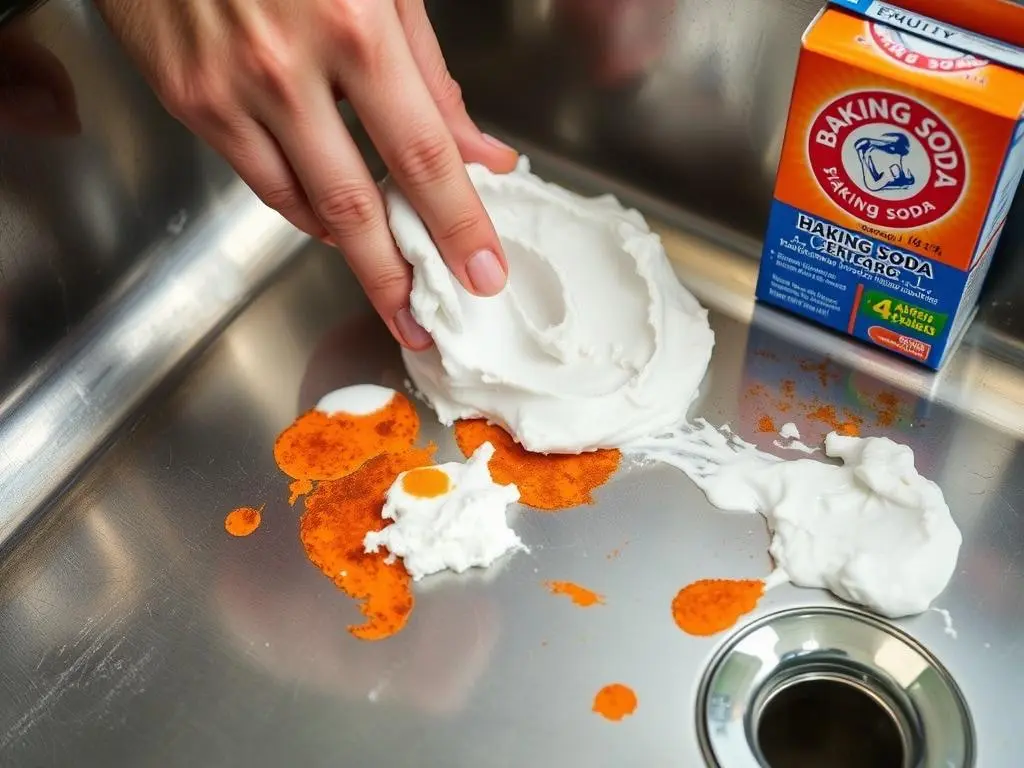
If you spot small orange spots, act fast. Superficial rust can be removed without replacing the rack.
Remove Surface Rust Safely
For non-pitted areas, make a paste of baking soda and water. Gently scrub with a nylon brush. Rinse thoroughly, then dry completely with microfiber. Apply mineral oil to restore protection.
Do not use sandpaper or metal polish. These thin the metal and remove corrosion resistance.
When to Replace the Rack
Replace immediately if you see pitting (tiny holes in the metal), flaking or crumbling surface, or rust near load-bearing joints. Pitted surfaces harbor bacteria and weaken structural integrity. No amount of cleaning can reverse this damage.
Optimize Placement and Ventilation
Where you place the rack matters as much as how you clean it.
Keep It in a Well-Ventilated Area
Avoid storing the rack in closed cabinets or under windowsills with poor airflow. Humidity builds up, slowing evaporation. Leave under-sink cabinet doors open after use to improve air circulation.
Choose Smart Design Features
Upgrade to racks with swivel drain spouts that direct water into the sink, elevated feet for better airflow underneath, and open-frame geometry to reduce moisture traps. These features minimize pooling and speed drying.
Consider Non-Metal Alternatives
If rust continues to be a problem, switch to materials that cannot rust at all.
Bamboo Racks
Bamboo is naturally water-resistant and antimicrobial. It requires monthly mineral oil treatment to prevent cracking and works best in low-humidity kitchens.
Dish Drying Mats
Silicone or bamboo fiber mats allow flat drying with no metal parts, meaning zero rust risk. They are compact and easy to store.
Reused Dishwasher Roller Racks
Salvaged from old dishwashers, often made of high-grade coated wire, these racks have been user-tested for 10 or more years without rust. They offer excellent drainage, no plastic feet, and durable construction. Check local appliance recyclers or online marketplaces for spare parts.
Verified Long-Lasting Racks Tested by Users
simplehuman Large Capacity Dish Drying Rack
This rack features a 304 stainless steel frame, 360-degree swivel drain, anti-residue coating, and open design. Users report five or more years of daily use without rust. It is best for high-use kitchens and hard water areas.
DIY Dishwasher Roller Rack
The bottom rack from a decommissioned dishwasher provides 10 or more years of rust-free service based on multiple user reports. Advantages include no plastic feet, superior drainage, and heavy-duty wire construction. This option is ideal for large sinks or double-bay setups.
Key Takeaways for Preventing Dish Rack Rust
Rust on a dish rack is almost always preventable. The key is not expensive gear but consistent moisture control. By drying thoroughly after each use, applying mineral oil weekly, replacing feet proactively, and choosing 304 stainless steel, you can extend your rack is lifespan to five years or more. In hard water areas, add distilled rinses and filtered water to your routine. Avoid vinegar, bleach, and cooking oils because they do more harm than good. With these science-backed habits, your dish rack stays clean, safe, and rust-free for years.
Frequently Asked Questions About Preventing Dish Rack Rust
Why does my stainless steel dish rack rust if it is supposed to be stainless?
Stainless steel is rust-resistant, not rust-proof. Even 304-grade stainless steel can rust if left damp overnight. Rust begins in micro-pools of water trapped under rubber feet, at welded joints, or in crevices with no airflow.
How often should I apply mineral oil to prevent rust?
Apply food-grade mineral oil once per week. Use one drop per major section and buff until no shine remains. This creates a hydrophobic barrier that repels water and blocks oxygen.
Can I use vinegar to clean hard water stains off my dish rack?
You can use vinegar occasionally, but it strips the chromium oxide layer that protects stainless steel. If you must use it, limit it to once per month, wipe only affected areas, rinse thoroughly, and apply mineral oil afterward.
How do I know when to replace my dish rack instead of cleaning it?
Replace the rack if you see pitting (tiny holes), flaking or crumbling surface, or rust near load-bearing joints. Once the metal is pitted, the damage is irreversible and harbors bacteria.
What is the best stainless steel grade for a rust-resistant dish rack?
304 stainless steel is the best choice for home kitchens. It contains eight to ten and a half percent nickel and forms a durable passive oxide layer that resists chlorinated water and humidity far better than lower grades.