
A shelf collapsing can turn a quiet evening into a disaster in seconds. Books, electronics, and decor come crashing down, risking injury to children, pets, or anyone nearby. The truth is, most shelf failures are completely preventable with the right hardware, proper installation, and awareness of structural limits. Whether it is a floating shelf above your desk or a towering bookcase in a child’s room, understanding how to prevent a shelf from falling starts with recognizing that walls are not all the same, drywall alone cannot hold weight, and even sturdy-looking furniture can tip under leverage. This guide breaks down exactly what you need to know, from wall types and anchor strengths to step-by-step installation methods, so you can secure any shelf safely and permanently.
Anchor Into Wall Studs for Maximum Strength

Wood or metal wall studs are the backbone of your wall’s structural strength. When you anchor a shelf into a stud, you are connecting it directly to your home’s frame, capable of holding 300 to 400 pounds per screw. Screwing only into drywall, even with anchors, drastically reduces holding power and increases tipping risk.
Finding Studs Accurately
• Use an electronic stud finder priced between $10 and $30 to locate edges and center of studs.
• Standard stud spacing is 16 inches or 24 inches apart, so measure from outlets or corners as reference points.
• Confirm location by drilling a small test hole behind the baseboard if you are uncertain.
Installing Screws Correctly
• Use #8 or #10 wood screws that are at least 3 inches long.
• Ensure at least 1 inch of screw penetrates the stud for maximum grip.
• Drive screws slowly to avoid splitting wood or stripping threads.
Pro Tip: Always anchor into at least two studs for tall or loaded shelves. If only one aligns, combine with a toggle bolt on the other side.
Match Anchors to Your Wall Type
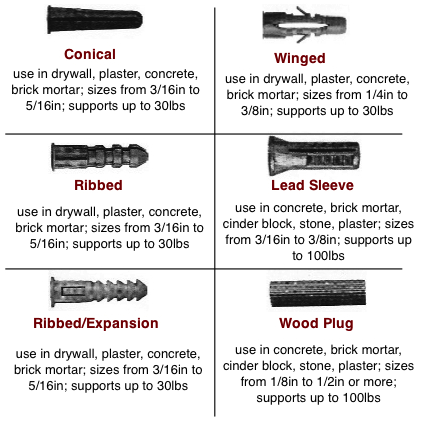
Drywall alone supports very little weight, typically failing under 30 to 50 pounds with plastic anchors. For shelves between studs, you need high-strength hollow-wall anchors that can handle the load.
Drywall Without Studs: Use Toggle Bolts
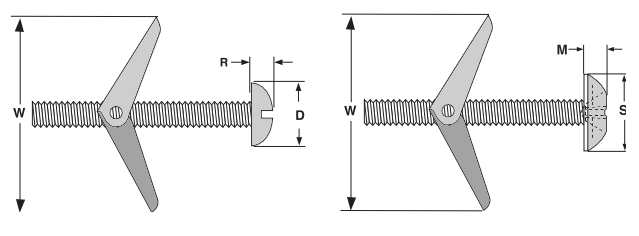
• Toggle bolts with a 9/16-inch hole can hold 250 to 300 pounds. The spring-loaded wing flips open behind the wall for superior holding power.
• Taggler toggle anchors with a 5/16-inch hole are rated for approximately 200 pounds and can be hand-installed without power tools.
• Snaptoggle anchors are reusable, strong, and reliable in drywall applications.
Avoid plastic expansion anchors for shelves over 50 pounds. They pull out easily under torque and are a leading cause of shelf failure.
Masonry Walls: Tapcon Screws Required
For concrete, brick, or block walls, you need entirely different hardware.
• Pre-drill with a masonry bit, for example, 3/16 inch for 3/16 inch Tapcon screws.
• Use corrosion-resistant Tapcon screws, typically blue or stainless steel.
• Clean dust from the hole before inserting the screw to ensure proper seating.
Plaster Walls: Handle with Care
Plaster is brittle and cracks easily if you drill too fast.
• Drill pilot holes slowly to prevent cracking.
• Use toggle bolts or washers to spread the load across a wider surface.
• Consider backing plates behind anchors for added support.
Use the Right Brackets and Hardware

Floating shelves rely on hidden brackets that must resist both pull-out and torque forces. Using weak or inappropriate hardware is one of the most common mistakes homeowners make.
Floating Shelf Bracket Specifications
• Material: Use steel or reinforced steel brackets only. Avoid plastic or thin aluminum.
• Depth: Brackets should extend at least 6 inches into the shelf for stability.
• Weight Rating: Choose brackets rated above your expected load, which includes the shelf weight plus contents.
• Spacing: Install two or more brackets, aligned with studs whenever possible.
Standard floating shelf brackets hold 15 to 30 pounds. Heavy-duty, stud-mounted versions support 50 to 100 pounds or more. Overloading is the number one cause of floating shelf failure.
L Brackets for Bookcases and Cabinets
For freestanding or wall-mounted cabinets and bookshelves, L brackets provide reliable support.
• Use steel L brackets with arms at least 2 inches long.
• Attach one side to the rear frame of the shelf, not just the back panel.
• Secure to the wall with 3-inch screws into studs or toggle bolts.
Install Anti-Tip Safety Anchors
Thousands of children are injured each year when furniture tips over. Anti-tip anchors prevent this by tethering the top of the shelf or bookcase to the wall.
Recommended Anti-Tip Kits
• TUPSKY Stainless Steel Kit: Rated for 400 pounds per 2-pack. Includes metal brackets, long screws, and ratcheting steel straps. Nearly invisible when installed.
• Amazon 6-Pack Anti-Tip Straps: Adjustable, white straps for low visibility. Ideal for multiple shelves, dressers, and cabinets.
• QuakeHold Nylon Kit: Tested to 203 pounds per anchor on metal studs. Great for seismic zones.
Installing Anti-Tip Straps
- Locate two wall studs at the top rear of the shelf.
- Mark and drill pilot holes.
- Attach the wall bracket with long screws into the studs.
- Mount the shelf bracket on the top rear frame, not the back panel.
- Connect with the steel strap and tighten the ratchet buckle.
- Tuck excess strap behind the shelf.
Always anchor to the structural frame, not just the thin back panel. This makes the difference between a secure installation and one that fails under stress.
Avoid Common Installation Mistakes
Many shelf failures happen not because of poor materials, but because of simple installation errors that are easy to avoid.
Wrong Screw Length or Type
Shelf kit screws are often too short or too weak for secure mounting.
• Replace kit screws with 3-inch #10 wood screws for stud installations.
• Use toggle bolts for drywall instead of the hardware supplied with the shelf.
• Always use the screws supplied with anchors rather than substituting random hardware.
Uneven Weight Distribution
Placing heavy items on one end creates torque that pulls the shelf forward.
• Center heavy loads over brackets and studs.
• Use non-slip shelf liners to prevent items from shifting during use.
• Distribute weight evenly across the entire shelf surface.
Overloading Beyond Capacity
Stay below 75 percent of the rated load for a safety margin. For example, a shelf rated for 50 pounds should carry no more than 37 pounds. A falling 6-foot bookshelf can generate over 300 pounds of impact force, enough to cause serious injury.
Secure Floating Shelves Properly
Floating shelves fail when brackets pull out due to weak fasteners or improper installation. Following the correct procedure prevents this common problem.
Installation Steps
- Check the pre-drill size on the toggle bolt packaging, usually 9/16 inch.
- Mark bracket locations precisely and drill holes to the exact diameter required.
- Insert the toggle bolt through the bracket. The wing will flip open behind the wall as you advance the bolt.
- Tighten slowly. Overtightening crushes the drywall and weakens the hold.
- Slide the shelf onto the bracket and secure with set screws underneath.
Best practice: Mount brackets into studs whenever possible. If studs are not available, toggle bolts are the next best option. Never use plastic anchors for floating shelves.
Choose Durable Shelf Materials
The shelf itself must resist bending, warping, and breaking under load. Material choice significantly affects safety and longevity.
| Material | Safe Load Capacity | Best Use |
|---|---|---|
| Solid Wood (Oak, Birch) | High | Floating shelves, libraries |
| Plywood (¾ inch or thicker) | Medium to High | Utility shelves, hidden brackets |
| Particle Board or MDF | Low | Light decor only |
| Hollow-Core Shelves | Very Low | Decorative, low-weight use |
Avoid particle board or hollow-core shelves for loads over 20 pounds. They crack easily under stress and can fail suddenly.
Test and Maintain Shelf Stability
Even properly installed shelves need periodic inspection to ensure they remain secure over time.
Annual Inspection Checklist
• Are screws tight and flush with the mounting surface?
• Is the shelf level and straight, without sagging or warping?
• Are brackets bent, rusted, or cracked?
• Is the wall bulging or cracking around the anchors?
• Has the shelf sagged or warped under load?
Maintenance Tips
• Tighten screws every 6 to 12 months to account for settling and vibration.
• Re-anchor immediately if you notice any movement or instability.
• Replace corroded or bent hardware as soon as damage is detected.
• Check anchors after earthquakes or heavy impacts.
Stainless steel anti-tip kits resist rust and last for years with minimal upkeep.
Use No-Screw Methods Only When Necessary
If drilling is not allowed, such as in rental properties, there are limited options that work only for light, low-risk situations.
Tilt-Back Method
- Pull the shelf away from the wall.
- Place a ¼-inch cardboard shim under the front edge.
- Gently tilt the shelf backward so the rear edge makes firm contact with the wall.
This shifts the center of gravity rearward but is not safe for tall, heavy, or frequently used shelves.
Adhesive Velcro Straps
• Support under 20 pounds total.
• Must be applied to clean, dry surfaces.
• Not recommended for shelves in homes with children or pets.
These methods are temporary fixes at best and should never be relied upon for heavy or frequently accessed shelving.
When to Call a Professional
Certain situations require expert help to ensure safe and code-compliant installation.
• Concrete, brick, or stone walls requiring masonry drilling.
• Historic homes with lath and plaster or irregular framing.
• Ceiling-height bookcases or built-in shelving systems.
• Seismic zones where code-compliant anchoring is required.
• Commercial installations with liability or safety regulations.
Professionals ensure correct fastener selection, proper load distribution, and compliance with local building codes.
Cost and Time to Secure a Shelf
Most shelf-securing projects cost under $20 and take less than 15 minutes. This minimal investment provides lifelong safety.
Equipment Costs
| Item | Price Range |
|---|---|
| Anti-Tip Strap Kit (6-pack) | $8 to $15 |
| Toggle Bolts (4-pack) | $5 to $12 |
| Stud Finder | $10 to $30 |
| Tapcon Screws (masonry) | $10 to $20 |
| Heavy-Duty Steel Brackets | $15 to $40 per pair |
Key Takeaways for Preventing Shelf Collapse
Anchor Into Studs Whenever Possible
Use a stud finder and 3-inch screws. Two stud anchors are better than one for any shelf carrying significant weight.
Use Toggle Bolts for Hollow Walls
Never rely on plastic anchors for heavy loads. Taggler or standard toggle bolts provide 200-plus pounds of holding strength in drywall.
Install Anti-Tip Straps in Homes with Kids or Pets
TUPSKY or similar kits offer 400-pound protection. Attach to the structural frame, not the back panel.
Avoid Overloading and Uneven Weight
Center heavy items and stay below 75 percent of rated capacity. A falling shelf generates incredible force.
Inspect and Maintain Annually
Tighten screws, check for damage, and re-anchor if needed. Make shelf safety part of your regular home maintenance routine.
Frequently Asked Questions About Preventing Shelf Collapse
How do I know if my wall can support a heavy shelf?
Check if your wall has studs behind the drywall using a stud finder. Wood studs can hold 300 to 400 pounds per screw. If studs are not in the right location, use toggle bolts rated for 200 to 300 pounds for drywall.
What is the strongest anchor for drywall?
Toggle bolts are the strongest anchors for drywall, holding 250 to 300 pounds when properly installed. Taggler toggle anchors offer around 200 pounds of holding power and are easier to install by hand.
Can I use the screws that came with my shelf?
The screws included with shelf kits are often too short or weak for secure mounting. Replace them with 3-inch #10 wood screws when mounting into studs or appropriate toggle bolts for drywall.
How much weight can a floating shelf hold?
Standard floating shelves hold 15 to 30 pounds. Heavy-duty models mounted into studs can support 50 to 100 pounds or more. Always check the manufacturer’s rating and stay below 75 percent of that capacity for safety.
Do I really need anti-tip straps if my shelf is wall-mounted?
Yes, anti-tip straps are especially important in homes with children or pets. They prevent the entire unit from tipping forward if someone climbs on it or bumps it accidentally. Wall-mounted shelves can still pose a tip-over risk.
Final Thoughts on Keeping Your Shelves Secure
A collapsing shelf is not just a messy inconvenience. It is a serious safety hazard that can cause injuries, property damage, and lifelong regret. By anchoring properly into wall studs, using the right hardware for your wall type, and following proper installation techniques, you ensure your shelves stay secure for years.
Whether you are installing a floating shelf in your living room or securing a child’s bookcase, a few minutes and a few dollars spent on proper anchoring can prevent lifelong consequences. Prioritize safety because no shelf is worth a life. Take action today by checking your existing shelves and reinforcing any that show signs of instability.