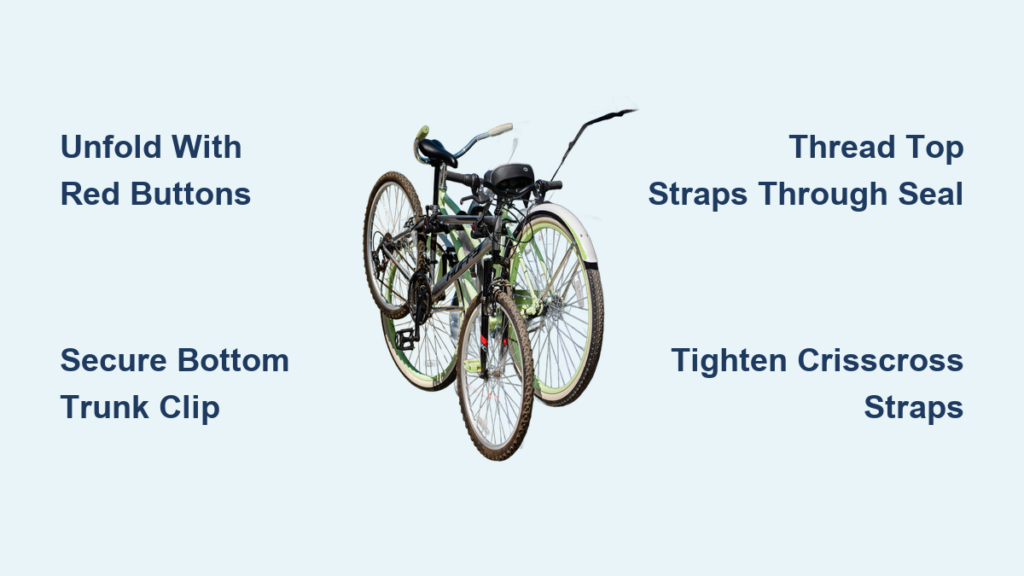
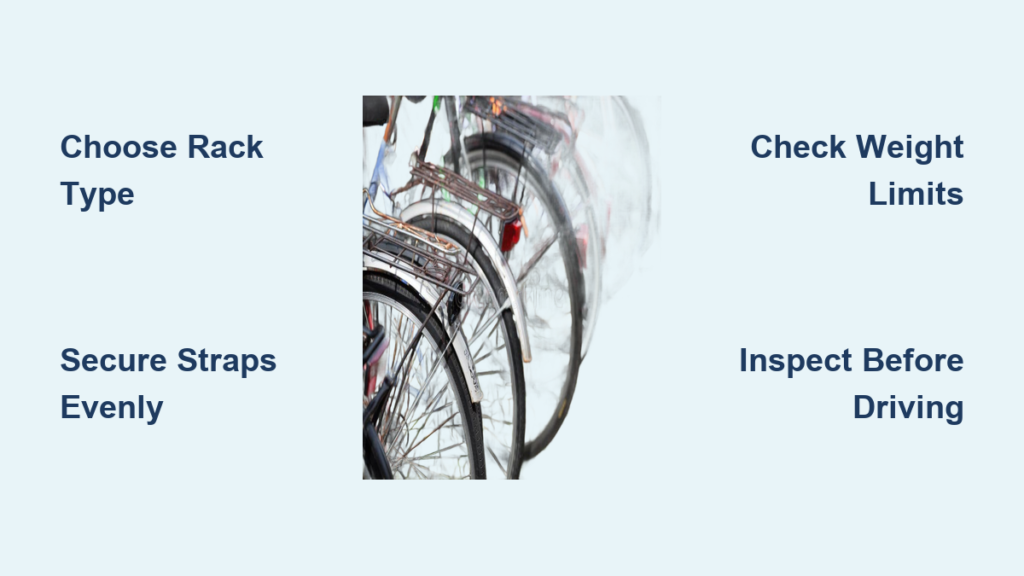
If you have ever tried to transport bikes without scratching your car or risking a roadside disaster, you know how critical it is to attach a bike rack to a car correctly. A poorly installed rack can wobble at highway speeds, damage your vehicle, or even lose a bike mid-drive. Whether you are using a trunk, roof, or hitch-mounted system, proper installation ensures safety, stability, and peace of mind. This guide breaks down exactly how to attach any type of bike rack step by step with real-world tips, compatibility checks, and safety protocols. You will learn not just how to mount the rack, but how to do it right every time.
Choose the Right Rack Type
Before attaching anything, confirm which bike rack suits your vehicle and riding needs. The three main types, trunk, roof, and hitch, vary in setup, cost, and performance.
Match Rack to Vehicle Design
Your car determines what kind of rack will work. Trunk racks fit sedans or hatchbacks without hitches or roof bars. Roof racks need crossbars and are ideal if rear access must stay clear. Hitch racks offer the most stability but require a receiver hitch. Check manufacturer compatibility tools online by entering your car year, make, and model to verify fit. Never assume universal means fits all perfectly.
Consider Bike Count and Frame Type
Plan for how many bikes you will carry. Trunk racks hold 1 to 3 bikes. Roof racks carry 2 to 4 bikes. Hitch racks handle up to 5 bikes on heavy-duty models. Also consider frame shapes. Women or step-through frames lack a top tube. Use a frame adapter bar to create a secure mounting point.
Install a Trunk-Mounted Rack

Trunk racks are affordable and easy to store but prone to shifting. Proper strap tension is the key to stability.
Position the Rack Correctly
Place the rack against the trunk lid or bumper with padded arms contacting the car. Avoid plastic spoilers or bumpers that cannot support weight. If your model has bell-shaped logos, face them upward to align the arms properly for bike support. Ensure the rack slopes slightly upward, between 15 and 45 degrees, so the bike top tube rests securely.
Secure Upper Straps First
Drape the labeled upper straps over the top edge of the trunk. Pull snug but do not overtighten yet. These straps anchor the top of the rack and prevent lifting during travel. Center the rack before moving to lower attachment points.
Attach Lower and Side Straps
Hook the lower straps under the bumper or bottom edge of the trunk. Then connect side straps to solid anchor points like door edges or wheel wells. Tighten each side evenly. Work one side at a time, pulling slightly toward the center to keep the rack aligned.
Pro Tip: On some models, metal clips snap onto the trunk metal lip for added security. Engage these after initial strap tension.
Final Check: No Wobble Allowed
Shake the rack firmly. If it moves, re-tighten all straps in sequence: upper, then lower, then side. The rack must feel solid like part of the car. Re-check after loading the first bike because added weight often loosens straps.
Mount a Hitch Bike Rack
Hitch racks are the gold standard for stability, ease of loading, and frequent use.
Confirm Hitch Size and Class
Look for a square receiver at the rear bumper. Measure it. A 1.25-inch receiver is Class I or II and handles up to 3,500 pounds. A 2-inch receiver is Class III or IV and handles up to 10,000 pounds. Match your rack shank to the hitch size. Never use an adapter unless rated for your total load. Check weight limits. Total equals bikes plus rack weight and must be under both hitch and rack capacity.
Insert and Lock the Rack
Slide the rack shank fully into the hitch until the pin hole aligns. Insert a locking hitch pin, not just a clip, to prevent theft and rattling. Some models have a tightening bolt underneath. Use a socket wrench to torque it securely, usually 25 to 30 foot-pounds.
Warning: If your car has rear sensors or a backup camera, ensure the rack does not block them. Adjust height or choose a swing-away model if needed.
Load Bikes Safely
Place the rear tire into the cradle first, then the front. Lower the locking arm over the front wheel at a 45-degree angle and secure it. Use straps to fasten both wheels and frame. Keep bikes spaced apart with no handlebar-to-frame contact.
Set Up a Roof Bike Rack

Roof racks keep the rear clear but require lifting bikes overhead.
Verify Cross-Bar Compatibility
You need roof crossbars, either factory or aftermarket. Measure the distance between bars front to back and bar length side to side. Use the rack maker online fit guide to confirm compatibility. Most brands like Thule and Yakima offer vehicle-specific kits.
Fix for Rubber Roof Strips: If rubber padding blocks clamps, cut small U-shaped notches to expose the metal bar beneath. This ensures a secure metal-to-metal grip.
Assemble and Attach the Rack
Pre-assemble feet, arms, and clamps on the ground. Add protective padding to contact points. Lift the rack onto the roof with the front end facing forward toward the windshield. Align feet with crossbars. Tighten all levers or bolts firmly. The rack should not shift when pushed side to side.
Load and Secure Bikes
For wheel-mount racks, slide the front wheel into the front tray. Lift the interior bar to hold the wheel. Lock in place with lever. For frame-mount racks, cradle the bike frame and use adjustable arms to stabilize the front wheel. Tighten all straps. Double-check that nothing flaps in the wind.
Universal Safety Checks
No matter the rack type, perform these checks before every drive.
Pre-Drive Inspection
All straps, clips, and bolts are tight. The rack is centered and level. Bikes do not touch each other. License plate, lights, and camera are visible and unobstructed. Loose strap ends are tied up or tucked away. Hitch pin is locked if applicable. Total weight is within limits.
Did You Know: A loose strap at 60 mph creates drag equal to a 10-pound weight pulling backward, reducing fuel efficiency and increasing risk.
Recheck During Long Trips
Stop every 10 to 15 miles during the first part of your trip. Then re-inspect at every fuel stop. Heat, vibration, and road bumps loosen straps and bolts. Pay attention to strap stretching especially in sun, rubbing marks on paint or trim, and wobbling when driving over bumps.
Avoid Common Installation Mistakes
Even small errors lead to big problems. Here is what to watch for.
Skipped Compatibility Checks
Installing a roof rack on a car without crossbars is a dead end. Similarly, forcing a 2-inch rack into a 1.25-inch hitch risks damage. Always verify fit before buying.
Uneven Strap Tension
Tightening only one side causes the rack to tilt. Always alternate sides when securing straps, like lacing a shoe.
Overlooking Frame Shape Issues
Step-through or full-suspension bikes do not fit standard top-tube mounts. Use a universal frame adapter to create a horizontal bar for secure attachment.
Ignoring Weight Distribution
On hitch racks, heavy bikes go toward the center. On roof racks, distribute weight evenly front to back. Imbalance leads to sway and handling issues.
Maintain Your Rack Year-Round
A well-maintained rack lasts longer and performs better.
Clean After Every Use
Rinse off dirt, salt, and grime especially after winter or beach rides. Salt corrodes metal parts and weakens straps. Use mild soap and water. Avoid pressure washers near moving joints.
Inspect for Wear
Check monthly for frayed or UV-damaged straps, cracked plastic buckles, and rusty or stiff bolts and pins. Replace worn parts immediately. Most manufacturers sell replacement kits.
Lubricate Moving Parts
Once a year, apply silicone spray or light oil to hitch pins, adjustment levers, and folding joints. Avoid grease because it attracts dust and grime.
Special Cases and Pro Tips
Electric Vehicles and Plastic Bumpers
Many EVs have lightweight rear ends. Do not mount trunk or hitch racks without confirming load-bearing capacity in the owner manual. Some manufacturers void warranties if damage occurs from improper rack use.
Carrying Fat-Tire or E-Bikes
Standard racks may not fit wide tires over 3.5 inches. Look for models rated for 5-inch tires. E-bikes are heavier. Check that your rack supports 50 or more pounds per bike. Some require reinforced hitch receivers.
Traveling in Rain or Snow
Use a bike cover or tarp to protect components. Moisture accelerates rust and degrades electronics in e-bike motors. Wet straps stretch more, so re-tighten frequently.
Final Checklist Before Driving
Run through this list every time.
The rack is centered and level. All attachment points are tight. Bikes are secured by frame or wheels. No part blocks lights, plate, or sensors. Excess strap length is secured. Hitch pin is locked if used. Trunk or hatch opens if needed. Total weight is within limits.
Frequently Asked Questions About Attaching a Bike Rack to a Car
What type of bike rack is easiest to install for beginners?
Trunk-mounted racks are generally the easiest for beginners because they require no tools or permanent modifications. They attach using straps and clips that you can secure in minutes. However, they require more frequent checks during travel to ensure stability.
Can I use a bike rack on any car?
Not every car accepts every rack type. You need a hitch for hitch-mounted racks and crossbars for roof-mounted racks. Trunk racks work on most sedans and hatchbacks but not on convertibles or vehicles with plastic bumpers that cannot support weight. Always check manufacturer compatibility before buying.
How much weight can a bike rack hold?
Weight capacity varies by rack type and model. Trunk racks typically hold 30 to 100 pounds total. Roof racks handle 40 to 150 pounds depending on crossbar capacity. Hitch racks range from 100 to 500 pounds depending on hitch class and rack design. Check both rack and vehicle limits.
Do I need a frame adapter for women’s bikes?
Yes, if your bike lacks a horizontal top tube. Women-specific, step-through, and some full-suspension frames need a frame adapter bar to create a secure mounting point. This prevents the bike from sliding off the rack during travel.
How often should I check my bike rack during a long trip?
Check the rack at every fuel stop, especially during the first 50 miles. Heat, vibration, and road bumps loosen straps and bolts over time. Re-tighten as needed and watch for any signs of shifting or wear.
Key Takeaways for Attaching a Bike Rack to Your Car
Attaching a bike rack to a car is not just about clipping things on. It is about creating a safe, balanced extension of your vehicle. Start by choosing the right rack type for your car and needs. Trunk racks work for occasional use on sedans, hitch racks offer the best stability for frequent travelers, and roof racks maximize rear access when carrying multiple bikes.
Regardless of rack type, proper installation matters. Secure all straps evenly, verify compatibility before buying, and never skip the pre-drive inspection checklist. A loose rack at highway speeds creates dangerous instability and can damage your car or lose your bike.
Perform safety checks before every trip and re-tighten at every fuel stop during long journeys. Clean your rack regularly, inspect for wear, and replace frayed straps immediately. With the right installation and maintenance, your bike rack will deliver years of reliable adventures. Now that you know how to do it safely and effectively, hit the road with confidence.