
Cleaning a stainless steel rack doesn’t have to feel like an impossible task. Whether you’re dealing with oven racks covered in years of baked-on grease or wire shelving in your pantry laden with dust and spills, the right technique can transform even the grimiest rack into a gleaming, like-new fixture. How to clean stainless steel rack properly involves understanding the material, selecting safe yet powerful cleaners, and avoiding common mistakes that cause scratches or rust. This guide walks you through the most effective methods, from deep cleaning hacks to simple maintenance routines that keep your racks spotless.
You’ll discover the two-step ammonia and Bar Keepers Friend combo that professionals swear by, learn how to remove rust before it spreads, and understand exactly which products to use and which to avoid. By the end, you’ll have a complete cleaning toolkit and a clear action plan for every rack in your home.
Best Deep Cleaning Method for Stubborn Grime

The most effective way to clean stainless steel rack surfaces covered in baked-on grease is a two-step combination approach that tackles heavy buildup without damaging the metal.
Ammonia Soak Pretreatment for Heavy Grease
For oven racks with years of accumulated carbonized residue, an ammonia soak dramatically reduces scrubbing time and eliminates the need for harsh oven self-cleaning cycles.
- Place one rack inside a heavy-duty garbage bag.
- Add ½ to 1 cup of household ammonia to the bag.
- Seal the bag tightly using a twist tie or knot.
- Set the bag outside in direct sunlight for several hours or overnight.
- Carefully open the bag outdoors and pour out the ammonia liquid.
- Wipe down the rack most grime should flake off with minimal effort.
- Rinse thoroughly with water before proceeding to the next step.
Never perform this step indoors. Ammonia fumes are toxic and require excellent ventilation. The outdoor heat helps the fumes penetrate and lift stubborn residue effectively.
Bar Keepers Friend Deep Clean Technique
After rinsing the ammonia-treated rack, apply Bar Keepers Friend to eliminate remaining stains and restore a brilliant shine.
- Wet a green non-metallic scouring pad or 0000-grade steel wool.
- Shake the BKF liquid bottle and apply directly to the pad.
- Scrub every rung, edge, and corner of the rack.
- Let the solution sit for 1 to 2 minutes to break down residue.
- Scrub again with firm pressure, working along each wire.
- Rinse completely under running water.
- For stubborn spots, gently scrape with a razor blade along the wire’s length.
- Reapply BKF to affected areas and rinse again.
- Dry the rack fully with a soft cloth to prevent water spots.
Bar Keepers Friend contains oxalic acid that dissolves rust and mineral deposits without harming stainless steel, making it far superior to baking soda for this task.
Rust Removal for Stainless Steel Racks
Even stainless steel can develop rust when exposed to moisture, salt, or iron particles from coarse steel wool. Address spots immediately to prevent spread.
Identifying and Treating Early Rust
Look for reddish-brown spots, especially near joints or crevices. First, brush away loose rust with medium-grit sandpaper and wipe the area clean.
Natural Rust Removal Solution
Mix equal parts lemon juice and white vinegar in a bowl. Sprinkle coarse salt over the rusted area. Pour the acidic mixture on top and let it sit for 5 to 7 minutes. The acid breaks down rust while salt acts as a gentle abrasive. Wipe with a dry cloth, rinse with water, and dry immediately with a lint-free towel. This combination is highly effective, non-toxic, and safe for food-contact surfaces.
Avoid chlorine bleach or hydrochloric acid products, as they corrode stainless steel and worsen pitting damage.
Essential Tools and Cleaning Supplies
Using the right products makes all the difference when you clean stainless steel rack surfaces.
Recommended Products
Bar Keepers Friend in liquid or powder form works best for deep cleaning and shine restoration. White vinegar serves as an ideal light cleaning solution and rust pre-treatment. Lemon juice provides natural acid that removes stains and deodorizes. Dish soap like Dawn works perfectly for routine cleaning with warm water. Fine steel wool in 0000 grade tackles stubborn spots without scratching. Green non-metallic scouring pads offer safer daily use compared to steel wool.
Products to Avoid
Never use chlorine bleach on stainless steel racks, as it causes pitting and corrosion. Hydrochloric acid destroys the protective oxide layer. Coarse steel wool in 00 or 0 grade scratches surfaces and embeds iron, leading to future rust. Aggressive metal scrapers can gouge wires if not used carefully. Abrasive oven cleaners are often too harsh and leave harmful residues.
Always wear rubber gloves and eye protection when handling cleaning chemicals.
Oven Rack Safety and Self-Cleaning Dangers
Why Self-Cleaning Cycles Damage Racks
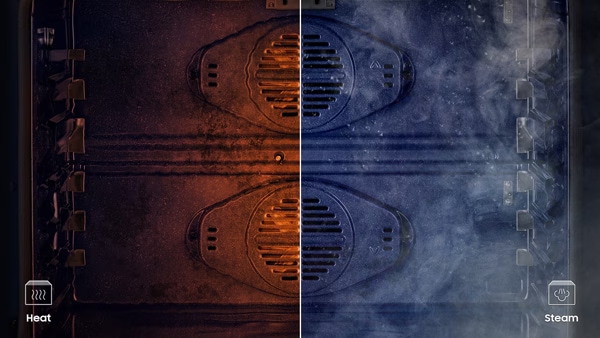
Never leave stainless steel racks in your oven during a self-cleaning cycle. Temperatures up to 900°F cause serious damage including warping that destroys smooth sliding action, discoloration and dull pitted surfaces, and release of toxic fumes especially dangerous to birds from PTFE toxicosis. Lingering odors spread throughout your home. Even if your oven manual claims it’s safe, long-term exposure degrades the metal. Remove racks before starting any self-clean cycle and clean them separately using the ammonia and BKF method instead.
Safe Razor Blade Use
For carbonized food stuck on wires, a razor blade provides effective help. Slide the blade along the length of the wire never across to avoid scratching. Scrape gently, then wash with BKF to remove any metal particles. Always rinse and dry thoroughly afterward. This step can eliminate hours of scrubbing on heavily neglected racks.
Maintenance Tips to Prevent Buildup
Regular Wipe-Downs
Prevent heavy buildup by wiping oven racks with a damp cloth after each use, especially when spills occur. For storage racks, use a dry Swiffer duster weekly to remove dust and grease. This simple habit extends the time between deep cleaning sessions significantly.
Always Dry Completely
Water spots and corrosion begin when racks remain damp. Dry with a soft lint-free cloth or paper towel immediately after cleaning. Never air-dry, as this invites mineral deposits and rust formation.
Cleaning Schedule Recommendations
Wipe down frequently used racks weekly. Deep clean oven racks monthly using the ammonia plus BKF method. Treat rust spots the moment they appear rather than waiting. Consider keeping a dedicated stainless steel cleaning kit with gloves, BKF, vinegar, steel wool, and pads for quick access.
Commercial vs Home Cleaning Approaches
High-Frequency Kitchen Cleaning
In commercial kitchens, stainless steel racks undergo cleaning daily or weekly due to constant use. Staff use citrus-based degreasers and cotton swabs to reach tight spaces in wire shelving. They follow strict protocols to maintain hygiene and appearance standards.
Homeowner-Friendly Methods
Most homeowners clean monthly. The ammonia bag soak followed by BKF scrub combination proves ideal for residential settings because it’s effective, affordable, and requires low effort. Use cotton swabs to clean holes and joints in perforated racks. Store racks in dry areas to prevent moisture exposure that leads to rust.
Key Takeaways for Cleaning Stainless Steel Racks

The most effective method for cleaning a stainless steel rack involves the two-step ammonia soak and Bar Keepers Friend process. Ammonia loosens baked-on grime outdoors, while BKF removes remaining stains and restores shine. Always dry racks completely after washing to prevent corrosion. Remove oven racks before self-cleaning cycles to protect your investment. Treat rust immediately using lemon juice, vinegar, and salt. Use only soft cloths and non-abrasive pads to avoid scratches.
Avoid mixing ammonia with BKF, bleach, or vinegar as this creates toxic chlorine gas. Never use chlorine bleach or hydrochloric acid on stainless steel. Don’t leave water or spills on racks, as this leads to spotting and rust. Skip coarse steel wool that scratches and seeds future rust problems. With regular maintenance and the right tools, your stainless steel racks will stay functional, hygienic, and spotless for years.
Frequently Asked Questions About Cleaning Stainless Steel Racks
Can I use baking soda to clean stainless steel racks?
Baking soda works only for light cleaning and general maintenance. It’s a mild abrasive that lacks the chemical strength to remove tough oven grime from stainless steel. For heavily soiled racks, baking soda leaves a film and requires much more scrubbing with less visible improvement. Bar Keepers Friend proves far more effective for stainless steel due to its oxalic acid formula.
How often should I deep clean my oven racks?
Most households benefit from a deep clean once monthly using the ammonia and Bar Keepers Friend method. If you use your oven frequently or cook with lots of grease, consider cleaning every two weeks. Weekly light wipe-downs between deep cleans prevent heavy buildup from forming.
Is it safe to leave oven racks in during self-cleaning mode?
No, never leave stainless steel racks in during a self-cleaning cycle. The extreme heat causes warping, discoloration, and pitting. It also releases toxic fumes dangerous to pets, especially birds. Remove all racks before starting the self-clean function and clean them separately using safer methods.
How do I remove rust from stainless steel racks?
Mix equal parts lemon juice and white vinegar, sprinkle coarse salt over the rust spots, and pour the mixture on top. Let it sit for 5 to 7 minutes, then wipe clean, rinse thoroughly, and dry immediately. This natural solution breaks down rust without damaging the metal surface.
What is the fastest way to clean a greasy oven rack?
The fastest method involves placing the rack in a heavy-duty garbage bag with ½ to 1 cup of ammonia, sealing it tightly, and leaving it outdoors in sunlight for several hours or overnight. Most grease随后会 flake off with a simple wipe, requiring minimal scrubbing. Follow with a Bar Keepers Friend scrub for remaining stains and a brilliant shine.